“Sheikh Hasina”
Sheikh Hasina: The Longest-Serving Female Prime Minister in the World
Sheikh Hasina is one of the most influential political leaders in South Asia and a key figure in Bangladesh’s history. Known for her decisive leadership, development policies, and strong political presence, she has shaped the modern future of Bangladesh in significant ways. Her journey from a political activist to the longest-serving female prime minister globally is both inspiring and remarkable.
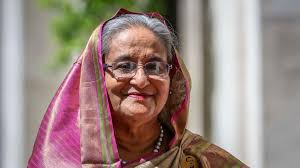
Early Life and Family Background
Sheikh Hasina was born on September 28, 1947, in Tungipara, Gopalganj. She is the daughter of Sheikh Mujibur Rahman, the founding father of Bangladesh. Growing up in a politically active family, Hasina learned leadership values from a young age. Despite facing immense tragedy when most of her family members were assassinated in 1975, she remained dedicated to her father’s vision for the nation.
Rise in Bangladesh Politics
Sheikh Hasina became the leader of the Awami League in 1981 while living in exile. Her political movement focused on restoring democracy and ending military rule. After years of struggle, she won national elections and became Prime Minister in 1996 for the first time. Since then, she has continued to lead the country in multiple terms.
Major Achievements as Prime Minister
Under Sheikh Hasina’s leadership, Bangladesh has seen rapid transformation:
- Massive Economic Growth
Bangladesh’s GDP has improved significantly, placing the country among the fastest-growing economies in Asia. - Success in Poverty Reduction
Millions of citizens have been lifted out of poverty through social welfare programs. - Women Empowerment Policies
Hasina strongly supports girls’ education, women in leadership roles, and safety initiatives. - Digital Bangladesh Vision
Her government boosted technology, internet access, and digital services across the country. - Infrastructure Development
Mega projects like Padma Bridge, Metro Rail (Dhaka), and new power plants show the country’s rapid modernization.
Challenges and Criticisms
Despite her achievements, Sheikh Hasina has faced criticism regarding:
- Freedom of speech concerns
- Opposition party crackdowns
- Human rights issues
Some critics believe Bangladesh needs more political balance, whereas supporters say strong leadership ensures stability and progress.
Global Recognition
Sheikh Hasina has received international awards for climate action, refugee support, and humanitarian initiatives — especially for sheltering Rohingya refugees from Myanmar. Her leadership has earned respect from many world leaders.
Personal Life
Sheikh Hasina is married to M. A. Wazed Miah (late), a nuclear scientist. She has two children — Sajeeb Wazed Joy and Saima Wazed — both actively involved in national development.
Sheikh Hasina’s Legacy
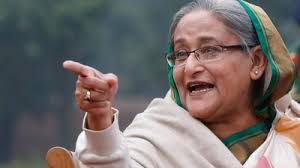
Sheikh Hasina’s contribution to Bangladesh is historic. She has transformed a developing nation into a rising global economy. Whether admired or criticized, her influence on Bangladesh politics will be remembered for generations.
Final Words
Sheikh Hasina is more than just a political leader — she is a symbol of resilience, national pride, and unwavering determination. Her story continues to inspire millions in Bangladesh and around the world.