“Federal Reserve Interest Rates”.
Understanding Federal Reserve Interest Rates: What They Mean for You
The term Federal Reserve interest rates often pops up in news headlines and financial updates, but what does it actually mean? Whether you’re a seasoned investor, a small business owner, or someone keeping an eye on loan rates, understanding how the Federal Reserve sets interest rates can help you make smarter financial decisions.

What Are Federal Reserve Interest Rates?
Federal Reserve interest rates refer to the target interest rate set by the U.S. Federal Reserve, also known as the federal funds rate. This is the rate at which commercial banks borrow and lend their excess reserves to each other overnight. The Fed does not directly set all interest rates, but its rate decisions influence virtually every part of the economy — from mortgage and credit card rates to the performance of the stock market.
Why Does the Federal Reserve Change Interest Rates?
The Federal Reserve adjusts interest rates to manage economic growth and inflation. Here’s how it works:
- To slow down inflation, the Fed increases interest rates. This makes borrowing more expensive and discourages spending, cooling down an overheating economy.
- To stimulate economic growth, the Fed lowers interest rates. Cheaper loans encourage spending and investment, which can boost a sluggish economy.
In essence, adjusting the Federal Reserve interest rates is one of the most powerful tools the central bank has to maintain economic stability.
How the Federal Reserve Sets Interest Rates
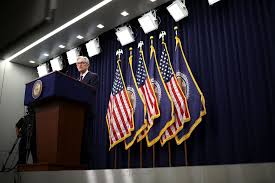
Every six weeks, the Federal Open Market Committee (FOMC) meets to review economic indicators — including employment, inflation, and GDP growth — to determine whether to raise, lower, or hold interest rates. Their decisions are based on current economic data and long-term projections.
The committee typically announces its decision in a policy statement, which is followed closely by analysts, economists, and investors around the world.
The Impact of Federal Reserve Interest Rates on Consumers
You might wonder how a decision made in Washington D.C. affects your daily life. Here’s a breakdown:
1. Mortgage Rates
When the Fed raises its interest rate, mortgage rates tend to rise. This means higher monthly payments for new homeowners or those refinancing. Conversely, a rate cut can make mortgages more affordable.
2. Credit Cards and Loans
Interest rates on credit cards, auto loans, and personal loans are often tied to the Fed rate. When the Federal Reserve interest rates go up, so do your borrowing costs.
3. Savings Accounts and CDs
Higher interest rates are generally good news for savers. Banks increase the returns on savings accounts and certificates of deposit (CDs) in a high-rate environment.
4. Stock Market Volatility
Rate hikes usually cause short-term market jitters. Investors worry about the higher cost of borrowing for companies and potential slowdowns in growth. On the flip side, rate cuts can lead to stock market rallies.
How Federal Reserve Interest Rates Affect the Economy
The broader economic effects of the Fed’s interest rate decisions are significant:
- Consumer Spending: Lower rates encourage people to borrow and spend more. This boosts demand for goods and services.
- Business Investment: With cheaper credit, businesses are more likely to invest in new projects, expand operations, and hire more workers.
- Housing Market: Lower interest rates can cause a boom in home-buying, while higher rates may cool the market.
- Inflation Control: By making borrowing costlier, the Fed can reduce demand and bring inflation under control.
People also search for
Fed cutting rates 2025
Fed interest rate decision today
Fed meeting outcome today
Fed decision
Mortgage rates
FOMC
Recent Trends in Federal Reserve Interest Rates (As of 2025)
Over the past few years, the Fed has taken an aggressive stance against inflation. In 2022 and 2023, a series of rate hikes brought the federal funds rate to its highest level in over two decades. This tight monetary policy aimed to curb post-pandemic inflation and stabilize prices.
As of mid-2025, there is speculation that the Fed might begin easing rates again if inflation remains under control and signs of an economic slowdown increase. Market analysts and policymakers continue to monitor inflation data, employment reports, and global events closely.
What Experts Predict for the Future
Financial experts suggest that the Fed will likely maintain a “wait and see” approach. If inflation falls consistently, we might see gradual rate cuts by the end of 2025 or early 2026. However, if inflation spikes again or geopolitical tensions flare up, interest rates may remain elevated for a longer period.
For investors and consumers alike, staying informed about Federal Reserve interest rates is essential. These rates shape borrowing costs, investment returns, and even the direction of the broader economy.
Tips to Prepare for Rate Changes
Here are some practical steps you can take depending on the Fed’s direction:
- If rates are rising:
- Lock in a fixed-rate mortgage or refinance early.
- Pay down high-interest credit card debt.
- Delay unnecessary large loans if possible.
- If rates are falling:
- Consider refinancing existing loans to lower rates.
- Explore opportunities to invest or expand your business.
- Re-evaluate your savings strategy, especially if returns on savings accounts drop.
Conclusion: Why Federal Reserve Interest Rates Matter
Federal Reserve interest rates might seem like a dry topic, but they play a massive role in shaping your financial future. From your home loan to your retirement savings, the Fed’s decisions ripple through every aspect of the economy.
Understanding how and why the Fed changes interest rates can help you make informed choices—whether you’re planning a major purchase, investing in the market, or simply trying to get the best return on your savings.
In a world where economic conditions can change quickly, keeping an eye on Federal Reserve interest rates can give you a crucial edge.
SEO Meta Description:
Discover how Federal Reserve interest rates impact your loans, savings, and the economy. Learn what rate changes mean and how to prepare in this 1000-word human-friendly guide.