
Bank of England: Role, History, and Its Impact on the UK Economy
The Bank of England holds a central and historic role in the financial landscape of the United Kingdom. Established over three centuries ago, it stands as not just a symbol of economic stability but also a powerful institution responsible for managing inflation, issuing currency, supervising financial institutions, and guiding the economy through policy decisions.
In this article, we’ll explore the Bank of England in depth—from its founding roots to its modern-day responsibilities—and why its decisions can impact everything from your mortgage to the cost of groceries.
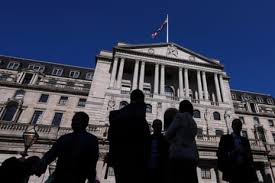
What Is the Bank of England?
The Bank of England (BoE) is the United Kingdom’s central bank. Founded in 1694, it was initially created to raise funds for the government and manage national debt. Today, it serves as the banker to the government and to other banks. It is independent from the UK government but works closely with it to ensure economic stability.
Often referred to as “the Old Lady of Threadneedle Street,” its headquarters are based in London. While it was nationalized in 1946, it gained independence in setting interest rates in 1997 under the Monetary Policy Committee (MPC).
Key Responsibilities of the Bank of England
The Bank of England is entrusted with several key roles that affect daily life across the country. Here are its primary responsibilities:
1. Setting Interest Rates
One of its most significant duties is setting the base interest rate, which influences the cost of borrowing and savings. When inflation is high, the Bank tends to raise rates to reduce spending; when the economy slows, it might lower rates to encourage growth.
2. Controlling Inflation
The Bank’s inflation target is 2%, as measured by the Consumer Prices Index (CPI). By adjusting interest rates and using other monetary tools, the Bank of England works to keep inflation within that range, ensuring the pound retains its purchasing power.
3. Issuing Currency
The BoE is the sole issuer of banknotes in England and Wales. Every note printed undergoes strict security features to prevent counterfeiting. Scottish and Northern Irish banks also issue their own notes, but they must be backed by deposits at the Bank of England.
4. Maintaining Financial Stability
The BoE acts as a watchdog for the UK’s financial system. Through the Financial Policy Committee (FPC), it identifies risks in the banking sector and takes action to reduce the chance of financial crises.
5. Supervising Banks
Through its Prudential Regulation Authority (PRA), the Bank supervises over 1,500 financial institutions—including banks, building societies, insurers, and credit unions—to ensure they are safe and sound.

Historical Significance of the Bank of England
Founded during a period of national financial need, the Bank of England was crucial in funding the war against France in the late 17th century. Over the centuries, it became the model for central banks around the world. From playing a pivotal role during the Napoleonic Wars to helping steer Britain through the 2008 financial crisis and the COVID-19 pandemic, the BoE has remained central to the nation’s financial survival and recovery.
Bank of England in Modern Times
Today’s economic challenges—ranging from global supply chain disruptions to soaring inflation rates—require swift and intelligent monetary responses. The Bank of England has had to walk a tightrope, balancing inflation control while not stalling growth.
In 2024, the Bank raised interest rates multiple times in response to high inflation, sparking nationwide debate. Mortgage holders felt the squeeze as rates soared, yet it was seen as a necessary move to avoid long-term damage to the economy.
Its role is increasingly scrutinized as economic literacy improves among the public. More citizens understand how a decision made at Threadneedle Street can ripple through the housing market, job security, and national debt.
Digital Future: Will the Bank of England Launch a Digital Pound?
In response to the rise of cryptocurrencies and global discussions around digital currencies, the Bank of England has been actively researching a Central Bank Digital Currency (CBDC), often referred to as “Britcoin.”
The digital pound, if launched, would be a secure and government-backed alternative to private digital coins. The Bank argues it could improve payment systems, reduce transaction fees, and offer better financial inclusion. However, concerns around privacy and surveillance remain key points in public consultations.
Why the Bank of England Matters to Everyday People
Many believe central banks only affect large corporations and financial markets, but this is far from the truth. The Bank of England plays a silent but crucial role in the everyday financial health of individuals:
- Mortgages: When the BoE raises rates, mortgage repayments go up.
- Savings: Higher interest rates can mean better returns on savings.
- Inflation: Your weekly groceries cost more or less depending on how well the Bank manages inflation.
- Job Security: A stable economy supported by sound monetary policy often leads to more jobs.
Challenges Ahead
Like all major central banks, the Bank of England faces numerous challenges:
- Climate Change: It must consider environmental risks in financial assessments.
- Global Economic Uncertainty: Trade tensions, geopolitical conflicts, and pandemics pose ongoing risks.
- Public Trust: There’s increasing demand for transparency and accountability, particularly in an era where public confidence in institutions is waning.
Conclusion
The Bank of England is more than just a central bank—it’s a pillar of the UK’s economic identity. With its historic legacy, transparent goals, and evolving strategies, it continues to guide the nation through both storms and calm waters.
Understanding the Bank of England’s function isn’t just for economists. It’s essential knowledge for anyone interested in how money, interest rates, inflation, and financial security affect their daily lives.
As we move further into a digitized and globalized world, the Bank of England will remain at the heart of efforts to maintain financial stability and economic resilience for the UK.
Meta Description:
Discover the essential role of the Bank of England in the UK economy. Learn how its decisions on interest rates, inflation, and digital currency shape your financial life.
Suggested SEO Keywords:
Bank of England, UK central bank, interest rate decisions, inflation control UK, digital pound, financial stability UK, BoE history
