
“Severe Thunderstorm Warning”
Severe Thunderstorm Warning: What It Means, Safety Tips, and How to Stay Prepared
When a severe thunderstorm warning is issued in your area, it’s not just another weather alert—it’s a critical signal that dangerous weather is either happening right now or is about to strike soon. From damaging winds and heavy rainfall to large hail and even the possibility of tornadoes, these storms can disrupt lives within minutes. Understanding what a severe thunderstorm warning means, how to prepare, and what safety steps to follow can save you, your family, and your property.
In this article, we’ll break down everything you need to know about severe thunderstorm warnings, including what triggers them, the difference between a watch and a warning, and life-saving safety measures.
What Is a Severe Thunderstorm Warning?
A severe thunderstorm warning is issued by the National Weather Service (NWS) or similar meteorological agencies around the world when severe weather conditions are either imminent or already occurring in a specific area.
For a storm to be classified as severe, it usually must include:
- Wind speeds of 58 mph (93 km/h) or higher
- Hail at least 1 inch in diameter
- Potential risk of tornado formation
These conditions can cause widespread damage to homes, vehicles, crops, and power infrastructure. Unlike a thunderstorm watch, which simply signals that storms are possible, a warning means you must take immediate action.
Severe Thunderstorm Watch vs Warning: What’s the Difference?
One of the biggest mistakes people make is confusing a watch with a warning. Here’s the clear difference:
- Severe Thunderstorm Watch – Conditions are favorable for a severe thunderstorm. It’s time to monitor weather updates and be ready to act.
- Severe Thunderstorm Warning – A severe thunderstorm is happening or about to happen. Immediate protective action is required.
Think of it this way:
- Watch = Be Prepared.
- Warning = Take Action Now.
What Happens During a Severe Thunderstorm?
Severe thunderstorms can unleash multiple hazards simultaneously:
- Damaging Winds – Strong gusts capable of knocking down trees, power lines, and even small structures.
- Large Hail – Ice chunks that can shatter windows, damage roofs, and injure people caught outdoors.
- Flash Flooding – Heavy rain in a short period can overwhelm drainage systems, causing life-threatening floods.
- Lightning Strikes – Every thunderstorm carries lightning risks, which can spark fires or cause serious injury.
- Tornadoes – In some cases, severe thunderstorms can spawn tornadoes without much warning.
Why Severe Thunderstorm Warnings Are Important
Ignoring a severe thunderstorm warning can be a costly mistake. According to disaster management studies, most injuries during severe storms occur when people underestimate the warning. By understanding the seriousness of these alerts, you can take steps that protect your family, pets, and belongings.
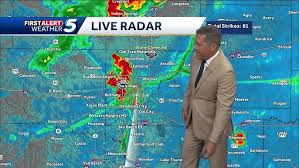
How to Stay Safe During a Severe Thunderstorm Warning
When you hear that a severe thunderstorm warning has been issued, follow these essential safety measures:
1. Seek Shelter Immediately
Stay indoors, away from windows, and avoid being outside until the warning is lifted.
2. Stay Away from Electrical Appliances
Lightning can cause power surges. Unplug devices and avoid using corded electronics.
3. Avoid Water Sources
Do not shower, bathe, or use running water during a severe thunderstorm, as lightning can travel through plumbing.
4. Protect Your Vehicle
If hail is expected, move your car into a garage or covered area.
5. Stay Informed
Use a battery-powered weather radio, smartphone alerts, or reliable news sources to track updates.
Preparing Ahead for Severe Thunderstorms
Preparation can make a huge difference when severe weather strikes. Here are some proactive steps:
- Create an Emergency Kit – Include flashlights, batteries, bottled water, first-aid supplies, and non-perishable food.
- Develop a Family Safety Plan – Make sure everyone knows where to shelter during storms.
- Reinforce Your Home – Secure outdoor furniture, check your roof, and trim weak tree branches.
- Stay Weather Aware – Use apps or subscribe to alerts from trusted meteorological agencies.
Severe Thunderstorm Warning: Frequently Asked Questions
1. How long does a severe thunderstorm warning last?
Most warnings last between 30 minutes to 1 hour, depending on storm movement.
2. Can a severe thunderstorm turn into a tornado?
Yes. Severe thunderstorms can produce tornadoes, especially in unstable weather conditions.
3. Should I drive during a severe thunderstorm warning?
It is best to avoid driving. If you’re already on the road, pull over to a safe location and wait until the storm passes.
4. Are severe thunderstorm warnings dangerous even without a tornado?
Absolutely. High winds, hail, and flooding can be just as destructive as tornadoes.
Final Thoughts
A severe thunderstorm warning is not something to take lightly. It signals that dangerous weather is either occurring or will strike within minutes. By understanding the difference between a watch and a warning, preparing in advance, and taking immediate action when alerts are issued, you can significantly reduce the risks to your life and property.
Always remember: When a warning is issued, act immediately. Safety should always come first.
