
Abiraterone: A Comprehensive Guide to Uses, Benefits, Side Effects, and Cost
Abiraterone is a widely prescribed medication that has transformed the treatment landscape for advanced prostate cancer. Over the past decade, it has become a standard therapy for men whose cancer has spread beyond the prostate or no longer responds well to traditional hormone treatments. This detailed guide explains what abiraterone is, how it works, its benefits, side effects, dosage, cost, and frequently asked questions—written in clear, human-friendly language to help readers understand this important drug.

What Is Abiraterone?
Abiraterone is an oral prescription medicine primarily used to treat advanced prostate cancer, including:
- Metastatic castration-resistant prostate cancer (mCRPC)
- Metastatic hormone-sensitive prostate cancer (mHSPC)
It is commonly sold under the brand name Zytiga, though generic versions of abiraterone acetate are now available in many countries.
Abiraterone is usually taken alongside prednisone or prednisolone, which helps reduce certain side effects and improves overall treatment effectiveness.
How Abiraterone Works
Prostate cancer growth is fueled by androgens, mainly testosterone. Even after treatments that lower testosterone produced by the testicles, the body can still make small amounts of these hormones in the adrenal glands and within the tumor itself.
Abiraterone works by:
- Blocking an enzyme called CYP17
- Preventing the production of testosterone and other androgens throughout the body
- Starving cancer cells of the hormones they need to grow
This comprehensive hormone suppression is what makes abiraterone so effective, especially in advanced stages of prostate cancer.
Uses of Abiraterone
Doctors prescribe abiraterone for men with prostate cancer that:
- Has spread to other parts of the body (bones, lymph nodes, or organs)
- Has stopped responding to standard hormone therapy
- Requires additional hormone control to slow disease progression
It is often used in combination with ongoing androgen deprivation therapy (ADT), such as injections that lower testosterone levels.
Benefits of Abiraterone
Abiraterone has been shown in multiple clinical studies to provide significant benefits, including:
- Improved survival rates in advanced prostate cancer
- Delayed disease progression
- Reduced pain, especially bone pain caused by cancer spread
- Better quality of life when compared to older treatments
For many patients, abiraterone allows longer disease control without immediately needing chemotherapy.
Abiraterone Dosage and How to Take It
The standard dose of abiraterone is:
- 1,000 mg once daily (usually four 250 mg tablets)
- Taken on an empty stomach (no food at least 2 hours before or 1 hour after)
- Combined with prednisone, typically 5 mg taken once or twice daily
Taking abiraterone with food can significantly increase drug absorption, which may raise the risk of side effects. Following the prescribed instructions exactly is essential.
Common Side Effects of Abiraterone
Like all cancer medications, abiraterone can cause side effects. Most are manageable with proper monitoring.
Common Side Effects
- High blood pressure
- Fluid retention or swelling (especially in legs and ankles)
- Low potassium levels
- Fatigue
- Joint or muscle pain
- Hot flashes
Less Common but Serious Side Effects
- Liver function abnormalities
- Heart rhythm problems
- Severe electrolyte imbalances
Doctors regularly monitor blood pressure, liver function, and potassium levels during treatment to reduce risks.
Who Should Not Take Abiraterone?
Abiraterone may not be suitable for everyone. Caution is needed if a patient has:
- Severe liver disease
- Uncontrolled heart conditions
- Very low potassium levels
It is not approved for use in women, especially during pregnancy, due to the risk of serious harm to an unborn baby.
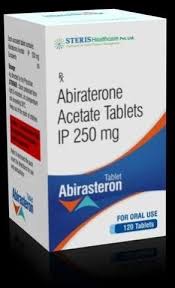
Abiraterone Cost and Availability
The cost of abiraterone varies depending on:
- Brand vs. generic version
- Country and healthcare system
- Insurance coverage
Generic abiraterone has significantly reduced treatment costs in many regions, making it more accessible. In some countries, government programs or cancer assistance foundations help patients manage expenses.
Abiraterone vs Other Prostate Cancer Treatments
Compared to older therapies, abiraterone offers several advantages:
- Oral tablet (no IV infusion required)
- Often used before chemotherapy
- Effective even when standard hormone therapy stops working
Other drugs, such as enzalutamide or chemotherapy agents like docetaxel, may also be used depending on disease stage and patient health. Doctors choose treatment plans based on individual needs.
Frequently Asked Questions About Abiraterone
How long does abiraterone treatment last?
Treatment usually continues as long as the cancer responds and side effects remain manageable. Some patients take it for months or even years.
Can abiraterone cure prostate cancer?
Abiraterone is not a cure, but it can significantly slow disease progression and extend survival.
Can abiraterone be taken with other medications?
Yes, but patients should inform their doctor about all medications and supplements to avoid interactions.
Final Thoughts
Abiraterone has become a cornerstone treatment for advanced prostate cancer, offering hope and extended survival for many patients worldwide. By effectively reducing androgen production throughout the body, it targets cancer growth at its source. While side effects and monitoring are important, the benefits of abiraterone often outweigh the risks when used under proper medical supervision.
If you or a loved one is considering abiraterone, always consult an oncologist to understand whether it is the right option based on individual health and cancer stage.
