Astronaut – Exploring the Life, Journey, and Legacy of Space Explorers
When you hear the word “astronaut”, it often sparks images of brave individuals floating in space, walking on the Moon, or gazing down at Earth from the International Space Station. But there’s much more to an astronaut than just the suit or the spaceship. In this article, we’ll explore what it truly means to be an astronaut, their rigorous training, the challenges they face, and the legacy they leave for future generations
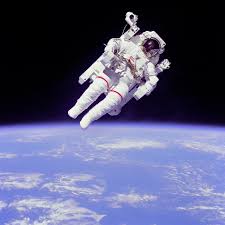
Who is an Astronaut?
An astronaut is a highly trained professional who travels into space to conduct research, perform technical missions, and explore the unknown. The term originally comes from the Greek words “astro” (star) and “nautes” (sailor), essentially meaning “star sailor.” Astronauts are selected through an extremely competitive process and are typically scientists, engineers, or military pilots before joining a space program.
History of Astronauts
The journey began during the Cold War era. Yuri Gagarin from the Soviet Union became the first human astronaut in space in 1961, followed by American astronaut Alan Shepard. Then came Neil Armstrong, the first man to walk on the Moon in 1969, famously saying, “That’s one small step for man, one giant leap for mankind.”
Since then, hundreds of astronauts from around the world have participated in space missions, representing agencies like NASA (USA), ESA (Europe), Roscosmos (Russia), JAXA (Japan), and CNSA (China).
How to Become an Astronaut
Becoming an astronaut is no easy task. Here’s a simplified overview of what it takes:
-
Education – Most astronauts have at least a bachelor’s degree in science, engineering, math, or technology. Advanced degrees are common and often preferred.
-
Experience – Candidates usually have years of professional experience in their field or as military pilots.
-
Training – Once selected, astronaut candidates go through intense training:
-
Spacewalk simulations
-
Zero-gravity and underwater exercises
-
Learning Russian (for International Space Station missions)
-
Physical and psychological tests
-
-
Teamwork – Astronauts must work well under pressure and in confined spaces, often for extended periods with diverse international crews.
Daily Life of an Astronaut in Space
You might imagine an astronaut’s life is full of dramatic spacewalks and scientific breakthroughs, but their day-to-day life involves strict routines:
-
Scientific Research: Experiments in microgravity, biology, physics, and environmental science.
-
Maintenance: Keeping spacecraft systems functioning.
-
Exercise: Two hours of physical activity daily to prevent muscle loss and bone density issues.
-
Communication: Staying in touch with mission control and even family through emails or video calls.
-
Hygiene and Food: Using special tools and wipes, and eating vacuum-packed meals that provide nutrition and energy.
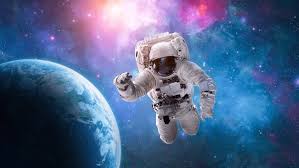
Challenges Astronauts Face
Space is a harsh and unforgiving environment. Here are some challenges astronauts endure:
-
Radiation: Exposure to cosmic radiation increases health risks.
-
Isolation: Being away from family and confined in small quarters for months.
-
Physical Strain: Muscle atrophy, vision problems, and weakened immune systems due to weightlessness.
-
Mental Health: Stress and mental fatigue from long missions can impact performance.
The Role of Astronauts in Modern Space Exploration
Today’s astronauts are not just space travelers—they are scientists, engineers, and ambassadors for Earth. They play a vital role in:
-
Exploring Mars: NASA and SpaceX are preparing for future human missions to the Red Planet.
-
Studying Earth: From space, astronauts monitor climate change, natural disasters, and pollution.
-
International Collaboration: Space missions unite countries in peaceful scientific efforts.
-
Inspiring Future Generations: Their courage and dedication encourage students worldwide to pursue STEM careers.
Famous Astronauts Who Made History
-
Yuri Gagarin – The first human in space.
-
Neil Armstrong – First person to walk on the Moon.
-
Valentina Tereshkova – First woman in space.
-
Chris Hadfield – Canadian astronaut known for his social media presence from space.
-
Kalpana Chawla – The first woman of Indian origin in space, who died tragically in the Columbia disaster.
The Future of Astronauts
The 21st century is ushering in a new era of astronauts. No longer confined to government programs, private space companies like SpaceX, Blue Origin, and Virgin Galactic are sending civilians and tourists into space. We are also witnessing a more diverse group of astronauts—women, minorities, and even people with disabilities are being trained for future missions.
In addition, robotic technology and AI will soon accompany astronauts, offering support in decision-making, repairs, and communication.
Why Astronauts Matter
The job of an astronaut is not just about space travel. It’s about pushing human limits, solving real-world problems, and bringing back knowledge that benefits all of humanity. Technologies we use today—like GPS, satellite TV, water purification systems, and even memory foam—were all improved or inspired by space programs.
Astronauts symbolize human curiosity, innovation, and courage—qualities that drive progress not just above the sky, but here on Earth.
Conclusion
The keyword “astronaut” represents far more than just a space traveler. It embodies a journey of relentless dedication, scientific discovery, and international unity. From historical milestones to future Mars missions, astronauts continue to lead humanity toward the stars.
As technology evolves, so will the definition of an astronaut. Whether it’s walking on Mars, building lunar habitats, or exploring deep space, the spirit of the astronaut will continue to inspire generations to look up—and reach beyond.