
“Chernobyl Fungus.”
Chernobyl Fungus: The Radiation-Eating Organism That Could Change the Future of Science
If there is one discovery that has shocked scientists, inspired tech innovators, and sparked global curiosity, it is the mysterious Chernobyl fungus. Found growing inside one of the most radioactive places on Earth—the Chernobyl Nuclear Power Plant—this dark, resilient organism has become a symbol of nature’s unbelievable ability to adapt. Today, researchers believe this fungus could transform medicine, space travel, and even nuclear cleanup operations.
In this article, we dive deep into what the Chernobyl fungus really is, how it survives deadly radiation, and why the world is suddenly paying attention. Whether you’re a science lover or simply fascinated by the unknown, this story is too incredible to ignore.

What Is the Chernobyl Fungus?
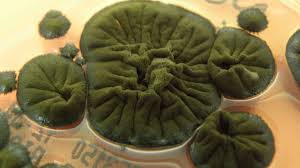
The Chernobyl fungus refers to a group of remarkable fungi discovered shortly after the 1986 Chernobyl disaster. These fungi were found thriving on the walls of Reactor 4—an area with radiation levels thousands of times higher than what humans can survive.
The most studied species is Cladosporium sphaerospermum, a dark-colored, melanin-rich fungus that seems to grow toward radiation as if feeding on it. Scientists describe this behavior as radiotrophism, meaning the fungus uses radiation as an energy source.
This discovery stunned the scientific community. Instead of dying from radiation, this organism was using it to grow faster.
How Does the Chernobyl Fungus ‘Eat’ Radiation?
The secret lies in melanin, the same pigment responsible for human skin color. In the Chernobyl fungus, melanin behaves like a biological shield, absorbing radiation and converting it into usable chemical energy—similar to how plants use sunlight.
Here’s how it works:
- The fungus absorbs gamma radiation.
- Melanin inside the fungus gets “excited.”
- The fungus converts this energy into growth power.
- The organism becomes stronger instead of weaker.
To put it simply, the Chernobyl fungus might be performing a natural form of radiation photosynthesis—something scientists once believed impossible.
Why Scientists Are Obsessed With the Chernobyl Fungus
1. It Could Help Clean Up Nuclear Waste
One of the biggest challenges in the world is safely managing nuclear waste. If the Chernobyl fungus can grow in high-radiation zones, researchers believe it can be used to:
- absorb radioactive particles
- break down toxic materials
- create a safer environment for cleanup workers
This could dramatically reduce the risks associated with nuclear disasters.
2. It Could Protect Astronauts in Space
Outer space is filled with dangerous cosmic radiation. Current spacecraft require heavy metal shields that cost billions to launch.
But what if astronauts could grow a self-repairing, radiation-absorbing fungus inside the spacecraft walls?
NASA has already experimented with the Chernobyl fungus on the International Space Station. Early results show that a thin layer of this fungus might reduce harmful radiation—making it a potential breakthrough for future Mars missions.
3. It Could Lead to New Medical Treatments
Melanin-based energy conversion could revolutionize:
- cancer treatments
- radiation therapy
- protective medicines for nuclear workers
- new antioxidant technologies
Researchers believe studying this fungus could unlock medical secrets we haven’t even imagined yet.
The Chernobyl Fungus and the Future of Space Exploration
One of the most exciting applications involves deep-space travel. Space agencies struggle with radiation exposure, which can damage DNA, increase cancer risk, and shorten astronaut careers.
A surprising NASA experiment tested the Chernobyl fungus in microgravity. A small sample placed on the ISS grew faster than expected, leading scientists to wonder:
- Could future astronauts grow fungal radiation shields?
- Could a layer of fungus be added to spacecraft hulls?
- Could Mars bases use living fungal walls for protection?
Because the fungus regenerates naturally, it might become the world’s first self-healing radiation shield.
Could the Chernobyl Fungus Help Humans Survive Radiation?
The idea feels like science fiction, but researchers are exploring how melanin could one day be used to protect humans from radiation exposure.
Scientists are studying whether:
- melanin creams
- melanin injections
- melanin supplements
could reduce cellular damage from radiation. While it’s still early, the Chernobyl fungus has opened new doors in biotechnology and human health.
Why Does the Chernobyl Fungus Matter Now More Than Ever?
As the world faces rising nuclear concerns, from power plant incidents to medical radiation exposure, the Chernobyl fungus offers something rare—hope.
Its potential uses include:
- disaster cleanup
- environmental restoration
- human protection
- spacecraft engineering
- futuristic medicine
What once seemed like a strange organism growing in a forgotten reactor could now become a global scientific treasure.
The Mystery That Still Surrounds the Chernobyl Fungus
Even after decades of research, several questions remain unanswered:
- Why did the fungus evolve to use radiation?
- Could similar organisms exist in other radioactive places?
- Is this fungus unique to Chernobyl, or does it simply thrive there?
- Could melanin be the key to unlocking new energy systems?
Scientists are still trying to understand how such life can adapt and thrive where nothing else can.
Final Thoughts: The Chernobyl Fungus Is a Glimpse Into Nature’s Superpowers
The story of the Chernobyl fungus shows us that life is far stronger and more adaptable than we ever imagined. From surviving extreme radiation to offering solutions for space travel and medicine, this organism is rewriting what we know about biology.
It’s not just a strange fungus—it’s a symbol of hope, resilience, and scientific discovery.
As research continues, the Chernobyl fungus may go from a radioactive mystery to one of the most important scientific breakthroughs of the century.
