
Denny’s $620 Million Deal: What It Means for the Diner Giant and You
The headline is bold: Denny’s $620 million deal. But buried beneath the numbers lies a story packed with strategic shifts, brand reinvention, and high-stakes corporate maneuvering that could change how the iconic breakfast chain serves up your Grand Slam. Here’s a deeper look at the deal — and why it matters.
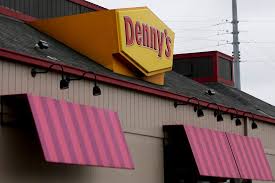
The Deal in a Nutshell
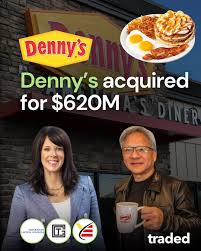
Denny’s announced it will be acquired and taken private in a deal valued at about US$620 million, including debt. (AP News) The buyer group includes institutional players: TriArtisan Capital Advisors, Treville Capital Group and Yadav Enterprises — the latter being a major Denny’s franchisee. (Nation’s Restaurant News) Shareholders will receive US$6.25 per share in cash, which represents about a 52 % premium over the prior closing price. (The Independent)
Why Now? The Context Behind the Move
1. Denny’s Had Been Under Pressure
Once a stalwart of American diners, Denny’s has faced headwinds: changing consumer habits, delivery-driven competition, location closures, and profitability challenges. For example, it recently reported same-store sales declines and announced plans to shutter some under-performing outlets. (AP News)
2. Strategic Review & Multiple Bidders
According to the company, its board reached out to more than 40 potential buyers before deciding on this transaction. (Nation’s Restaurant News) The high number of touchpoints indicates Denny’s was actively exploring its future path — public or private — and this deal emerged as the best fit.
3. Private Ownership Can Offer Flexibility
By going private, Denny’s can make longer-term strategic moves away from the quarterly scrutiny of public markets. The investor group has experience in restaurant brands and could invest in remodeling, menu innovation, or franchising without immediate pressure to meet Wall Street earnings targets. (Dallas News)
What Happens Next? Immediate Impacts & Roadmap
- Delisting: After the deal closes (expected in the first quarter of 2026), Denny’s common stock will no longer be publicly traded. (Dallas News)
- Location Strategy: The company had already flagged plans to close roughly 150 under-performing restaurants as part of its turnaround. This suggests that the new owners will likely accelerate that process. (AP News)
- Franchise & Growth: With Yadav Enterprises (a big franchisee) part of the buyer group, there may be increased emphasis on franchise operations, expansion of successful formats, and perhaps new store models.
- Brand Revamp: The diner could receive refreshed interior designs, updated menus, and stronger marketing to modernize its appeal — especially if positioned for growth beyond traditional breakfast diners.
Why It Matters to You (Yes, You!)
- As a diner-visitor: If you’re a fan of Denny’s, this change could lead to better service, more modern ambience, or new food options — or potentially location closures (so check your local branch).
- As an investor (or ex-investor): For those who held Denny’s stock, the premium is a relief. For prospective investors, the move underscores growing interest by private equity in restaurant chains.
- As an industry watcher: This deal signals a broader trend: restaurant chains being snapped up by private equity, restructured, and repositioned for future growth. Denny’s is joining the wave.
- As a global reader: Even outside the U.S., Denny’s is a known brand; changes here may ripple across markets, impact franchise opportunities, or influence other dining chains worldwide.
The Big Questions & What to Watch
- Will quality improve or will cost-cutting dominate? With location closures and restructuring underway, the balance between savings and customer experience will be critical.
- Can Denny’s reinvent itself successfully? It’s a classic diner brand — but market tastes are evolving. Will the new owner group keep the spirit intact while modernizing the model?
- What is the timeline for results? While the deal suggests long-term thinking, customers and franchisees will expect visible change sooner rather than later.
- Could this spark consolidation in the sector? If Denny’s thrives under private ownership, other chains may follow suit, accelerating M&A activity in the restaurant industry.
Headline-Ready Takeaways
- “Denny’s $620 Million Deal: End of Public Era, Start of Diner Reinvention”
- “Breakfast Giant Denny’s to Go Private in $620 M Transaction — What It Means for You”
- “From Grand Slams to Grand Move: How Denny’s $620 M Buy-Out Could Reshape the American Diner”
Final Word
The “Denny’s $620 Million Deal” isn’t just another business transaction — it’s a turning point for a brand that has been a breakfast staple for decades. Whether you’re a customer, investor, or simply an observer, this move will likely shape how Denny’s evolves. It could become a model for how legacy restaurant brands adapt — or a cautionary tale if the transformation doesn’t land.
Stay tuned: the breakfast table might look a lot different soon.
Inspire prompt for search console & high-CPC optimization:
“Discover how Denny’s $620 million deal will reshape the diner industry — what it means for customers, investors, and restaurant chains worldwide.”
