

“euro”
Euro: History, Value, and Its Role in the Global Economy
The euro is more than just a currency; it’s a symbol of economic unity, political collaboration, and financial stability across much of Europe. Introduced to simplify transactions and strengthen ties among European nations, the euro has become one of the most influential currencies in the world. This article explores the origin, evolution, current value, and global impact of the euro, providing a comprehensive understanding for investors, travelers, and economic enthusiasts alike.

What Is the Euro?
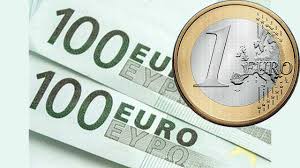
The euro (EUR) is the official currency of 20 out of 27 European Union (EU) countries. These countries together form the Eurozone, an economic and monetary union that shares a single currency to promote cross-border trade, investment, and political unity. The euro is denoted by the symbol € and is the second most traded currency globally, after the US dollar.
The History and Origin of the Euro
The euro was first introduced as an electronic currency in 1999, used for banking and financial transactions. Physical euro notes and coins came into circulation on January 1, 2002, replacing former national currencies such as the German Deutsche Mark, French Franc, Italian Lira, and others.
The idea behind a single currency in Europe can be traced back to the Maastricht Treaty, signed in 1992. This treaty laid the foundation for greater economic integration and established strict financial criteria for countries wishing to join the Eurozone. These included limits on inflation, national debt, and budget deficits.
Which Countries Use the Euro?
As of 2025, the following 20 EU countries use the euro as their official currency:
- Austria
- Belgium
- Croatia
- Cyprus
- Estonia
- Finland
- France
- Germany
- Greece
- Ireland
- Italy
- Latvia
- Lithuania
- Luxembourg
- Malta
- Netherlands
- Portugal
- Slovakia
- Slovenia
- Spain
In addition to these, several non-EU countries and regions (such as Kosovo and Montenegro) also use the euro, although they are not officially part of the Eurozone.
Benefits of the Euro
The euro brings numerous advantages for both individual citizens and businesses:
1. Simplified Trade and Travel
Traveling across borders within the Eurozone is smoother without currency exchanges. Businesses also benefit from reduced transaction costs and clearer price comparisons.
2. Economic Stability
The European Central Bank (ECB) manages monetary policy for the euro, aiming to maintain inflation control and economic growth across member states.
3. Stronger Global Presence
The euro is one of the world’s major reserve currencies, used widely in global trade, foreign exchange markets, and international lending.
Challenges and Criticism of the Euro
While the euro has unified European economies, it hasn’t been without criticism. Here are a few commonly raised concerns:
1. One Size Doesn’t Fit All
Countries with different economic structures and needs share the same monetary policy, which can cause issues. For example, struggling economies can’t devalue their currency independently to regain competitiveness.
2. Sovereignty Concerns
Some critics argue that countries lose a significant amount of control over their national economies by adopting a common currency managed centrally by the ECB.
3. Debt Crises
The 2008 global financial crash and the subsequent European debt crisis, particularly in Greece, exposed flaws in the Eurozone’s financial system, sparking debates about reforms and shared responsibility.
Euro Exchange Rate: What Determines Its Value?
The euro exchange rate against other major currencies like the US dollar, British pound, or Japanese yen is influenced by various factors:
- Interest rates set by the European Central Bank
- Inflation levels across the Eurozone
- Political stability in member states
- Global economic conditions and risk sentiment
- Trade balances and capital flows
As of mid-2025, the euro trades between 1.05 and 1.15 USD, though fluctuations are common based on market conditions.
The Euro in Global Markets
The euro plays a critical role in international trade and finance. Central banks worldwide hold the euro as a reserve currency, and many commodities are priced in euros, including oil contracts within the EU.
Additionally, forex traders actively speculate on the EUR/USD currency pair, the most traded pair in the world. This high liquidity makes it a favorite among institutional and retail traders alike.
Future Outlook: What Lies Ahead for the Euro?
The euro continues to evolve with the times. Discussions around digital euro development by the ECB are gaining momentum. A central bank digital currency (CBDC) would offer a secure, cash-like alternative for digital payments while reducing dependence on private payment systems.
At the same time, enlargement of the Eurozone remains an ongoing topic. Countries like Bulgaria and Romania are preparing to adopt the euro, provided they meet the economic convergence criteria.
Geopolitical challenges, green energy transitions, and shifts in global economic power will all influence the euro’s role in the next decade.
Why the Euro Matters to You
Whether you’re a traveler, business owner, investor, or simply a curious global citizen, understanding the euro can help you make informed decisions:
- Travelers benefit from stable exchange rates across many EU countries.
- Businesses involved in import/export save time and money with unified currency.
- Investors can diversify portfolios with euro-denominated assets.
- Everyday consumers gain price transparency across borders within the Eurozone.
Conclusion
The euro is not just a financial instrument—it’s a testament to Europe’s commitment to cooperation and integration. With a complex but fascinating history, global relevance, and strong influence on markets, the euro remains a central pillar of modern economic discourse. As the world transitions into an increasingly digital financial era, the euro’s resilience and adaptability will continue to shape the future of global commerce.
SEO Tip: Use this article with internal links (to euro-related financial tools, forex trends, or country-specific euro pages), structured meta tags (title, description, alt tags for images), and fast-loading pages for better ranking on Google.
