
“fan”
Fan: The Ultimate Guide to Choosing the Perfect Cooling Companion
When the temperature rises, one household item becomes absolutely essential — the fan. From cooling your room to improving air circulation and even cutting down energy bills, fans are more than just seasonal accessories; they’re year-round essentials for modern homes.
In this complete guide, we’ll walk you through everything you need to know about fans — from types and benefits to buying tips and care instructions — so you can choose the best one for your needs.

What Is a Fan?
A fan is a mechanical device that creates airflow by rotating blades, typically powered by electricity. Its main purpose is to circulate air, making a room feel cooler and more comfortable. Unlike air conditioners that lower the air temperature, fans cool you down through air movement and evaporation of sweat.
Fans come in various styles and sizes — ceiling, pedestal, desk, wall-mounted, and more — each designed for specific spaces and needs.
Why a Fan Is Still a Smart Investment in 2025
While air conditioning may be the go-to solution for many, fans remain a cost-effective and eco-friendly alternative. Here’s why fans are still a smart choice:
1. Energy Efficiency
Fans use significantly less electricity than AC units. A standard ceiling fan uses between 15-90 watts, while an air conditioner can consume 2000+ watts. If you’re aiming to cut down your utility bills, using a fan either alone or in combination with your AC can save you money.
2. Portability
Whether it’s a pedestal fan or a compact desk fan, many fans are easy to move from room to room — perfect for people who don’t want a permanent installation.
3. Improved Air Circulation
Fans help eliminate stale air, prevent mold buildup, and even distribute heat during winter when used in reverse mode.
Types of Fans and Their Best Uses
Not all fans are created equal. Understanding different fan types can help you make a smarter purchase.
1. Ceiling Fans
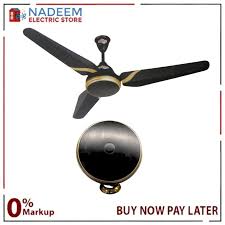
Mounted on the ceiling, these fans are ideal for large rooms. Many modern ceiling fans come with lighting fixtures and remote controls for added convenience.
Best for: Bedrooms, living rooms, dining areas
2. Pedestal Fans
These stand on the floor and can be adjusted in height. They usually oscillate, making them great for larger coverage.
Best for: Living rooms, offices, or shared spaces
3. Desk/Table Fans
Compact and lightweight, these are designed to sit on desks or counters.
Best for: Workspaces, study tables, kitchen counters
4. Tower Fans
Sleek and modern, tower fans often come with air purifiers, timers, and remote controls. They provide a vertical flow of air, making them ideal for small areas.
Best for: Bedrooms, small apartments
5. Wall-Mounted Fans
Fixed to walls, these fans save floor and table space. They are ideal for rooms with limited space.
Best for: Gyms, shops, garages
6. Exhaust Fans
These don’t cool you down but instead remove moisture, odors, and smoke.
Best for: Kitchens, bathrooms, basements
What to Look for When Buying a Fan
Here’s a quick checklist to ensure you get the right fan for your space and budget:
✅ Size
Choose the right size based on your room. A small fan may not effectively cool a large area, and a large fan in a small room can be overpowering.
✅ Noise Level
Check the decibel rating. Quieter fans are ideal for bedrooms or offices, while louder ones might be okay in living rooms or garages.
✅ Speed Settings
More speed options give you better control over airflow.
✅ Oscillation
This feature helps distribute air evenly across the room.
✅ Energy Efficiency
Look for energy-efficient models or fans certified by energy standards like Energy Star.
✅ Ease of Maintenance
Fans with removable grills or blades are easier to clean.
✅ Additional Features
Remote control, timer function, air purification, and smart home compatibility are some premium features to consider.
Fan Maintenance Tips for Long-Term Use
To keep your fan running efficiently and increase its lifespan, follow these easy maintenance tips:
- Dust the Blades Regularly – Dust build-up can reduce airflow and strain the motor.
- Lubricate Moving Parts – Especially for ceiling and pedestal fans, a bit of oil can keep them running smoothly.
- Check the Wiring – For safety, periodically inspect electrical connections.
- Clean Grills and Covers – Use a vacuum or damp cloth to remove dust from grills.
- Store Properly – For portable fans, store them in a dry place during winter or when not in use.
Fans vs. Air Conditioners: Which Should You Choose?
While fans don’t actually lower room temperature, they make the environment feel 4–6 degrees cooler through air movement. In contrast, ACs lower the actual temperature but at a higher cost.
Best combo: Use a fan with your AC to distribute the cool air more effectively. This allows you to set the AC at a higher temperature and save on your energy bill.
Eco-Friendly Cooling: How Fans Help Reduce Your Carbon Footprint
One of the most overlooked benefits of a fan is its low environmental impact. By consuming minimal electricity and avoiding harmful refrigerants used in ACs, fans are a greener cooling option.
Pairing fans with natural ventilation — like opening windows at night — can cool down your home without harming the planet.
Final Thoughts: Why Every Home Needs a Reliable Fan
Whether you’re trying to beat the summer heat, improve air quality, or save on your electric bill, a fan is a simple yet powerful solution. With the wide range of options available today — from high-tech tower fans to classic ceiling fans — there’s a model for every budget and space.
Investing in the right fan not only brings comfort but also promotes healthier indoor air and energy efficiency. Choose smart, stay cool, and let your fan do the work.
Keywords targeted: fan, ceiling fan, pedestal fan, desk fan, tower fan, buy a fan, best fan for home, energy-efficient fan, types of fans
