
“fired earth administration”
Fired Earth Administration: What It Means for Customers, Staff & the Interior Design Market
When a well‐known brand such as Fired Earth reports that it has entered administration, the ripple effects go far beyond just the company’s balance sheet. In this article we’ll explore what “administration” means, why Fired Earth found itself in this position, and what it means for customers, staff, suppliers and the broader interior design industry.
1. What Does “Administration” Actually Mean?
In the UK context, when a company goes into administration it means that independent administrators are appointed to manage the company’s affairs, business and assets. Their role is to rescue the company (if possible), or achieve a better result for creditors than would be achieved via liquidation. For Fired Earth, administrators from the firm Leonard Curtis were appointed. (Edinburgh News)
Key consequences often include:
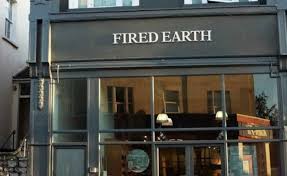
- Showrooms closing or trading ceasing (which is happening with Fired Earth). (Edinburgh News)
- Staff redundancies (Fired Earth: 133 job losses reported). (Business Link Magazine)
- Suppliers and customers may be affected (orders may be unfulfilled or delayed).
- Potential for the business assets to be sold off in pieces (“asset‐only” sale) rather than the business continuing in full. (Business Sale Report)
In short: while “administration” is a legal tool intended to protect value, for many stakeholders it signals disruption ahead.
2. Why Has Fired Earth Entered Administration?
Several reasons have been cited for Fired Earth’s regulatory and financial difficulties:
- Despite a turnover of about £15 million, the company posted operating losses of around £1.6-1.7 million in recent years. (Business Sale Report)
- The company had 20 UK showrooms and supplied 22 independent stockists; yet this scale did not translate into profitability. (Edinburgh News)
- The major investor and shareholder funding that had supported the business were not willing to provide further funding without a viable turnaround plan. (Business Sale Report)
- The broader retail environment and supply‐chain pressures have not helped premium interior businesses. (While not explicitly in these sources, this is consistent with many retail administrations.)
Thus, the combination of consistent trading losses, funding withdrawal, and no viable turnaround left the company with administration as a route.
3. What Happens to Customers & Orders?
If you have recently placed an order with Fired Earth—or were planning to—here’s what you should consider:
- Showrooms closure: The showrooms operated by Fired Earth are being shut. (Edinburgh News)
- Fulfilment of outstanding orders: The head office and warehouse in Banbury are staying open for the short term to fulfil existing orders. (Business Sale Report)
- Follow up your order: If you placed a deposit, or are awaiting delivery/installation, contact the company (or administrators) to check status.
- Supplier stock and independent stockists: Fired Earth also supplied independent stockists; it’s possible some product remains available via these channels even if the main chain is closing. (Edinburgh News)
- Refunds & claims: If the order cannot be fulfilled, customers may become unsecured creditors in the administration process—meaning refunds may be uncertain.
For anyone planning home renovations or tile/bathroom projects, this means factoring in risk: choose suppliers with secure business continuity or independent stockists not impacted by the administration.
4. What Happens to Staff & Suppliers?
Staff: The firm announced approximately 133 job losses as part of the administration. (East Midlands Business Link) Employees will need to look at redundancy pay and whether their claims are supported via the government or administrator.
Suppliers: Suppliers and contractors face the risk of unpaid invoices. If the business assets are sold “asset‐only”, supplier contracts may be terminated, and suppliers become unsecured creditors. The administrators will prioritise secured creditors, and trace which contracts / stocks / obligations will transfer.
5. What This Means for the Interior Design & Tiles Market
The collapse of a recognisable premium brand like Fired Earth sends several signals:
- Market consolidation: Premium retailers may face increasing pressure from online only players, lower‐cost imports, and changing consumer behaviour (DIY, e-commerce).
- Risk for high‐end showrooms: Large physical showrooms carry higher fixed costs (rent, staff, display space) and may be vulnerable if sales volume declines.
- Opportunity for independent / artisan suppliers: As one legacy brand falters, independent makers or niche brands might seize market share by emphasising authenticity, craftsmanship, or local production.
- Consumer caution: Homeowners considering high‐value renovations may shift strategy: less brand risk, more modularity, shorter lead‐times, suppliers with robust business continuity.
For interior designers, architects and renovation specialists it highlights the importance of supplier vetting: Is the supplier stable? Do they have contingency plans? What’s their credit support like?

6. What’s the Outlook & What Could Happen Next?
Here are plausible scenarios for Fired Earth and the broader situation:
- Asset sale to a buyer: The administrators have received interest in an “asset only” acquisition. But in that scenario, the buyer may not keep all showrooms or staff. (Business Sale Report)
- Brand continuation in a reduced form: If a buyer acquires the brand, they might run a smaller number of showrooms, perhaps focus on online, reduce cost base.
- Wider impact on the brand’s reputation: For customers the risk is that warranties, service, product availability may be reduced or altered under new ownership.
- Lessons for the market: Other premium interior brands may take stock of the risk environment (rising operating costs, shifting consumer habits) and adjust business models.
7. How to Safeguard Your Home Project from Supplier Risk
If you are planning a home renovation (tiles, bathrooms, paint) and you’d considered Fired Earth or similar premium suppliers, here are proactive steps to reduce risk:
- Check Supplier Solvency: Look at how long they’ve been trading, whether they’ve had recent financial difficulties.
- Ask about Lead-Times and Product Discontinuation: If the supplier disappears, will your material still be available?
- Negotiate Payment Terms: Avoid paying full amounts upfront—can you pay in milestones, only after delivery?
- Ensure Warranty & After-Sales Service: Ask who will handle service if the supplier goes into administration or closes.
- Have a Plan B Supplier: Identify alternate suppliers of similar style/material, in case your first choice becomes unavailable.
- Document Everything: Contracts, invoices, delivery schedules—keep records so that you can claim against creditors if necessary.
8. Final Thoughts: Fired Earth Administration, A Wake-Up Call
The case of Fired Earth entering administration serves as a cautionary tale—not just for one company, but for the interior and home-renovation market more broadly. It highlights how even premium brands with long heritage can be vulnerable when the cost base rises, consumer behaviour shifts, and funding dries up.
For customers, architects, designers and suppliers, the takeaway is clear: don’t assume that a well-known brand guarantees stability. Conduct due diligence, build flexibility into your project plans, and consider risk mitigation when engaging suppliers.
If this topic resonates with you—whether you’re a homeowner planning a renovation, a designer sourcing materials, or just interested in retail business risks—stay alert to supplier health, market trends, and how “administration” situations can impact supply chains.
Inspired prompt for Google Search Console / AdSense high CPC context:
“Find out how Fired Earth’s administration could cost you thousands in home-renovation delays and what smart homeowners are doing to protect their projects.”
