

Fuel Finder Scheme: Everything You Need to Know About Cheaper Fuel Prices in 2026
Fuel prices have been a major concern for households and businesses alike, especially with rising living costs and economic uncertainty. To bring transparency and relief to motorists, the government introduced the fuel finder scheme—a practical solution designed to help drivers locate the cheapest fuel prices in their local area. This initiative is transforming how people buy fuel and could save drivers hundreds of pounds every year.
In this detailed guide, we’ll break down what the fuel finder scheme is, how it works, who benefits the most, and why it matters more than ever in 2026.
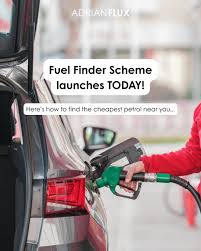
What Is the Fuel Finder Scheme?
The fuel finder scheme is a government-backed initiative that requires fuel retailers to share real-time petrol and diesel prices with a central system. This data is then made available to the public through apps, websites, and navigation tools, allowing drivers to easily compare fuel prices before filling up.
Instead of driving from station to station hoping for a better deal, motorists can now find the cheapest fuel within seconds—saving both time and money.
Why the Fuel Finder Scheme Was Introduced
Fuel prices often vary widely, even between petrol stations just a few miles apart. This lack of transparency has historically put drivers at a disadvantage. The fuel finder scheme was introduced to:
- Increase price transparency
- Encourage fair competition among fuel retailers
- Help households reduce fuel expenses
- Support small businesses and delivery drivers
- Reduce unnecessary driving and emissions
With fuel costs directly impacting inflation and daily living expenses, this scheme plays a vital role in easing financial pressure.
How the Fuel Finder Scheme Works
The system behind the fuel finder scheme is simple but powerful:
- Fuel retailers submit live price data for petrol and diesel
- Prices are updated regularly in a central database
- Approved apps and websites display nearby fuel prices
- Drivers compare prices and choose the cheapest option
The scheme covers major supermarkets, independent fuel stations, and motorway service areas, ensuring wide coverage across the country.
Key Benefits of the Fuel Finder Scheme
1. Save Money on Every Fill-Up
By comparing prices before you drive, you can consistently choose cheaper fuel stations. Over a year, these small savings can add up significantly—especially for commuters and fleet operators.
2. Greater Price Transparency
The fuel finder scheme eliminates guesswork. Drivers know exactly what they’re paying before they arrive at the pump.
3. Increased Competition
Fuel retailers are encouraged to keep prices competitive, benefiting consumers in the long run.
4. Time Efficiency
No more detours or wasted trips searching for cheaper fuel. Everything is available in one place.
5. Environmental Benefits
Reduced unnecessary driving means lower emissions and less fuel wastage.
Who Benefits Most from the Fuel Finder Scheme?
The fuel finder scheme is designed for everyone, but some groups benefit more than others:
- Daily commuters
- Taxi and ride-share drivers
- Delivery and logistics companies
- Small business owners
- Rural drivers with limited station access
- Families managing tight budgets
For high-mileage drivers, the savings can be substantial.
Fuel Finder Scheme and Fuel Prices in 2026
With ongoing global uncertainty, fuel prices in 2026 remain sensitive to factors like oil supply, taxes, and international events. The fuel finder scheme acts as a buffer by empowering consumers with information rather than leaving them at the mercy of unpredictable pricing.
As fuel duty policies and environmental taxes evolve, transparency tools like this scheme are becoming essential rather than optional.
Is the Fuel Finder Scheme Mandatory for Fuel Stations?
Yes, large and medium-sized fuel retailers are required to participate in the fuel finder scheme. Smaller independent stations are encouraged to join as well, as participation helps attract more customers looking for competitive prices.
This mandatory approach ensures accuracy, fairness, and wide adoption across the fuel market.
Best Apps and Platforms Using the Fuel Finder Scheme
Several popular platforms now integrate fuel finder scheme data, including:
- Fuel price comparison apps
- Navigation apps with fuel features
- Dedicated government-supported websites
These tools allow drivers to filter by fuel type, distance, and price—making smarter decisions easier than ever.
Common Questions About the Fuel Finder Scheme
Is the fuel finder scheme free to use?
Yes, all consumer-facing tools using fuel finder scheme data are free for drivers.
Does it include diesel and petrol?
Absolutely. Both petrol and diesel prices are covered.
How often are prices updated?
Prices are updated regularly to ensure accuracy and reliability.
Can prices change after I arrive?
While rare, prices may change due to market conditions, but strict reporting rules help minimise discrepancies.
Why the Fuel Finder Scheme Matters for the Future
The fuel finder scheme is more than just a cost-saving tool—it’s a step toward a smarter, fairer fuel market. As electric vehicles grow and fuel demand shifts, transparency initiatives like this will shape how energy pricing works in the future.
For now, petrol and diesel remain essential for millions of drivers, and having access to real-time pricing data is a game-changer.
Final Thoughts
The fuel finder scheme empowers drivers with knowledge, saves money, and promotes fair competition across the fuel industry. In a time when every pound matters, this initiative offers a practical and effective solution for managing fuel expenses.
If you drive regularly, using tools powered by the fuel finder scheme isn’t just smart—it’s essential. With fuel prices continuing to fluctuate, staying informed is the best way to stay ahead.
