“gas”
Understanding Gas: Uses, Types, Benefits, and Future Outlook
Gas plays a vital role in our daily lives — from heating our homes and cooking our meals to powering industries and fueling vehicles. As a versatile energy source, gas has become essential for modern civilization. Whether you’re a homeowner looking to understand your energy bills or a business evaluating fuel options, understanding gas — its types, uses, and future — is more important than ever.
In this article, we’ll break down everything you need to know about gas: natural gas, liquefied petroleum gas (LPG), industrial uses, environmental impact, and the global energy transition. Let’s dive in.
What Is Gas?
In energy terms, gas typically refers to natural gas — a fossil fuel composed mainly of methane. Extracted from underground reservoirs, natural gas is colorless and odorless in its raw state. It’s often combined with additives for safety and transportation. Other common forms include LPG (Liquefied Petroleum Gas) and biogas, each serving different purposes in households, industries, and transportation.
Types of Gas and Their Uses
1. Natural Gas
Natural gas is the most widely used form of gas around the world. It’s piped directly to homes and businesses and used for:
- Cooking and heating
- Generating electricity
- Industrial processes
- Fueling vehicles (CNG – Compressed Natural Gas)
Advantages:
- Cleaner than coal or oil
- Cost-effective
- Reliable energy source
2. LPG (Liquefied Petroleum Gas)
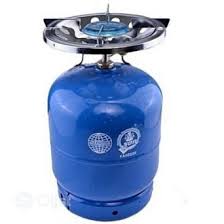
LPG is a by-product of natural gas processing and petroleum refining. It comes in pressurized cylinders and is commonly used for:
- Cooking (especially in rural or off-grid areas)
- Heating
- Camping stoves
- Auto fuel (Autogas)
Advantages:
- Portable and accessible
- Burns efficiently
- Produces fewer emissions
3. Biogas
Biogas is a renewable gas produced from organic waste through anaerobic digestion. It is mostly used in:
- Sustainable farming and rural energy systems
- Generating electricity in small communities
- Cooking fuel in developing countries
Advantages:
- Eco-friendly and renewable
- Reduces landfill waste
- Supports circular economy
Importance of Gas in Modern Life
Gas fuels more than just stoves and heaters. Here’s how gas supports modern society:
- Industrial Use: Steel, glass, paper, and food industries depend heavily on gas for production and processing.
- Power Generation: Many countries use natural gas as a primary source of electricity due to its lower carbon footprint compared to coal.
- Transport: Compressed Natural Gas (CNG) and Autogas are increasingly used in vehicles to cut fuel costs and emissions.
Economic Benefits of Gas
Gas is not just an energy source—it’s a major economic driver. Here’s why:
- Lower Energy Costs: Compared to electricity or diesel, gas is often cheaper, helping households and industries reduce expenses.
- Job Creation: The gas sector supports millions of jobs globally — from drilling and transport to infrastructure and retail.
- Energy Security: Countries with domestic gas reserves enjoy improved energy independence and economic stability.
Environmental Impact of Gas
While gas is cleaner than other fossil fuels, it still has environmental consequences.
Pros:
- Emits 50–60% less CO₂ than coal
- Produces fewer air pollutants like sulfur dioxide or particulates
- Supports renewable energy through hybrid systems
Cons:
- Methane, the main component of natural gas, is a potent greenhouse gas
- Extraction and transport can lead to leaks
- Still contributes to global warming if not handled responsibly
The key is responsible production, improved infrastructure, and integrating gas as a transitional fuel alongside renewables.
Gas vs. Other Energy Sources
| Energy Source | Emissions | Cost | Efficiency | Availability |
|---|---|---|---|---|
| Natural Gas | Moderate | Low | High | Widely used |
| Coal | High | Medium | Medium | Declining |
| Oil | High | High | High | Limited |
| Solar | None | Decreasing | Variable | Weather-dependent |
| Wind | None | Decreasing | Variable | Weather-dependent |
Gas offers a balanced mix of affordability, efficiency, and reliability, making it a preferred choice in many regions — especially where renewables are not yet scalable.
Future of Gas: Clean and Green?
The world is moving toward net-zero carbon emissions, and the gas industry is evolving too.
Innovations Shaping the Future:
- Hydrogen Blending: Mixing hydrogen with natural gas reduces emissions.
- Carbon Capture and Storage (CCS): Capturing CO₂ before it enters the atmosphere.
- Renewable Natural Gas (RNG): Turning organic waste into clean gas.
With governments and industries investing in cleaner technologies, gas is expected to play a pivotal role in energy transition strategies — acting as a bridge between fossil fuels and renewables.
Tips for Using Gas Safely at Home
- Always check for gas leaks — install detectors if necessary.
- Keep your gas appliances serviced regularly.
- Ensure proper ventilation when using indoor gas heaters or stoves.
- Never tamper with gas cylinders or pipelines.
- Call certified professionals for repairs and installations.
Safety is key when dealing with any combustible fuel, and gas is no exception.
Final Thoughts
Gas is more than just a cooking fuel — it’s a cornerstone of modern energy systems. As the world seeks cleaner, more sustainable energy solutions, gas stands out as a reliable, relatively low-emission option with economic and environmental advantages.
By understanding the types, uses, and impact of gas, individuals and businesses can make smarter energy decisions — both today and in the evolving landscape of tomorrow.
Meta Description: Discover everything you need to know about gas — types, uses, benefits, and its role in the future of energy. A complete 1000-word guide on natural gas, LPG, and more.
SEO Keyword Target: gas