
Ibrahim Traoré: The Soldier-Turned-Leader Who Shook the Political Ground in Africa
Discover how Captain Ibrahim Traoré became a symbol of revolution, resistance, and hope for millions in Burkina Faso and beyond.
In the heart of West Africa, a new name has risen to global attention: Ibrahim Traoré. He is not a celebrity or a billionaire but a young military captain who captured the imagination of an entire continent and ignited discussions from Paris to Pretoria. If you’ve been following African politics or global security, you’ve likely come across his name—and if you haven’t yet, you’re about to.
This article dives into the life, rise, and influence of Ibrahim Traoré—a man who went from serving in the military to leading Burkina Faso through one of its most challenging times. Whether you see him as a liberator or a disruptor, one thing is certain: Traoré is not going unnoticed.
Let’s explore the story behind the headlines.
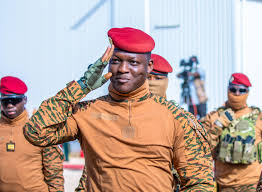
Who Is Ibrahim Traoré?
Born in 1988 in the western town of Bondokuy, Ibrahim Traoré is a geologist by education and a soldier by profession. He studied at the University of Ouagadougou before enrolling in the military academy. He quickly climbed the ranks due to his dedication, discipline, and tactical mindset.
Unlike many African leaders who rise through political parties, Traoré’s entry into leadership came through the barrel of a gun—but not without a cause.
The 2022 Coup: Why Ibrahim Traoré Overthrew the Government
In September 2022, the world was shocked as news broke: a second military coup in Burkina Faso in less than a year. The government of Lt. Col. Paul-Henri Sandaogo Damiba was ousted, and at the center of this political storm was Captain Ibrahim Traoré.
But why did this happen?
The country was plagued by rising jihadist violence, discontent among soldiers, and public frustration over the government’s inability to restore peace. Traoré and his allies argued that Damiba had failed the mission for which the military first intervened.
Under the banner of restoring security and giving voice to the people, Traoré stepped forward.
Youthful Leadership in a Land of Elders
At just 34 years old, Ibrahim Traoré became the world’s youngest head of state at the time. In a continent where politics is often dominated by leaders twice his age, his emergence brought a fresh energy and renewed focus on the future.
Traoré has repeatedly claimed that he does not seek to hold onto power for long, insisting that his goal is to stabilize Burkina Faso and return the country to democratic governance. This promise is yet to be tested—but the people are watching.
A Pan-African Voice Gaining Global Recognition
What truly sets Ibrahim Traoré apart is his strong Pan-African stance. He has openly challenged Western influence in African affairs, especially from France, the former colonial power. Under his leadership, Burkina Faso has moved closer to countries like Russia and Mali, forming alliances aimed at tackling terrorism without foreign intervention.
Traoré has criticized international aid models, calling for Africa-led solutions to Africa’s problems. This bold rhetoric has made him a hero to many young Africans who feel disillusioned with corrupt politics and foreign dependency.
Reforms, Challenges, and Human Rights Concerns
Since taking power, Traoré’s government has promised reforms in governance, anti-corruption, and national defense. The administration has increased investment in rural security and launched recruitment campaigns for volunteers to support the military.
However, the road is far from smooth.
Critics argue that under Traoré’s leadership, press freedom has suffered, and civil liberties have come under strain. Reports of arbitrary arrests and disappearances have raised alarm bells among human rights organizations. Supporters counter that extraordinary times call for extraordinary measures, especially when facing terrorist threats.
/strong>
Public Support: A Nation Divided?
One cannot ignore the visible support Ibrahim Traoré enjoys among many Burkinabè. Massive rallies have shown crowds waving flags and chanting his name, calling him a “son of the soil” and a “man of the people.”
Still, others remain skeptical—especially urban intellectuals and civil society members who fear that military rule, however well-intentioned, could end up harming democratic institutions.
The future remains uncertain, but Traoré has managed something remarkable: he’s made the people believe in change again.
Global Reactions: Praise, Caution, and Geopolitical Chess
International reactions to Traoré have been mixed. While some African nations have applauded his boldness, many Western countries have expressed concern about the rising trend of military coups in the Sahel region.
Organizations like the African Union and ECOWAS initially condemned the coup but later adopted a more cautious stance, recognizing the need for dialogue and stability.
The geopolitical battle over influence in Burkina Faso is heating up—with Russia, China, Turkey, and Iran showing increased interest, while traditional partners like France find themselves sidelined.

What Lies Ahead for Ibrahim Traoré?
With Burkina Faso facing economic struggles, regional instability, and international scrutiny, the challenges before Traoré are massive. However, his youth, charisma, and nationalist appeal could be his greatest weapons.
Whether he will follow through on promises to transition power to civilians, or entrench military rule under new branding, remains to be seen.
One thing is certain: Ibrahim Traoré is shaping a new chapter in African history, and the world is watching closely.
Final Thoughts
In a time when many Africans feel unheard and forgotten, Ibrahim Traoré offers a different narrative—a blend of revolutionary zeal, youthful ambition, and military pragmatism. For better or worse, he has become a face of the continent’s deep desire for self-determination.
His story is still being written. And with every move he makes, the name Ibrahim Traoré etches itself deeper into the history books—not just of Burkina Faso, but of Africa as a whole.
