
“mortgages”
Mortgages Explained: The Ultimate Guide to Securing Your Dream Home in 2025
In today’s world, where homeownership defines financial stability and personal success, understanding mortgages has never been more crucial. Whether you’re a first-time buyer, a property investor, or simply looking to refinance, navigating the mortgage world can be both exciting and intimidating. This guide will help you uncover the secrets behind getting the best mortgage rates, improving approval chances, and saving thousands over the life of your loan.
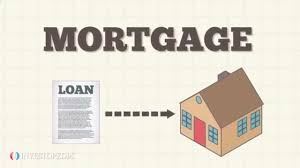
What Is a Mortgage and How Does It Work?
A mortgage is essentially a loan you take from a bank or lender to buy real estate. It’s a financial agreement that lets you purchase a property now and pay for it over time, usually in monthly installments.
When you sign a mortgage agreement, the lender holds the property as collateral. This means if you fail to make payments, they can reclaim the house. While that sounds scary, the process is designed to protect both sides—giving you ownership flexibility and lenders repayment security.
The key takeaway? A mortgage is not just debt—it’s a gateway to building wealth and long-term stability.
Types of Mortgages You Should Know in 2025
Choosing the right type of mortgage can make or break your financial plan. Let’s break down the most popular types:
1. Fixed-Rate Mortgage
A fixed-rate mortgage offers a stable interest rate throughout the life of your loan—whether it’s 15, 20, or 30 years. It’s ideal if you value consistency in your monthly payments.
Best for: Long-term homeowners who want predictability.
2. Adjustable-Rate Mortgage (ARM)
An adjustable-rate mortgage starts with a lower interest rate, which later fluctuates based on market trends. While it can save money initially, it may rise over time.
Best for: Buyers who plan to sell or refinance within a few years.
3. FHA Loan
An FHA mortgage (backed by the Federal Housing Administration) is designed for first-time buyers or those with lower credit scores. It typically requires a smaller down payment.
Best for: People with limited savings or lower credit history.
4. VA Loan
If you’re a veteran or active-duty military member, a VA mortgage offers excellent benefits—zero down payment, no private mortgage insurance (PMI), and competitive rates.
Best for: Military members and veterans seeking affordable home financing.
5. Jumbo Loan
For high-value homes exceeding the standard lending limits, jumbo mortgages fill the gap. They usually require higher credit and down payment but offer flexibility for luxury properties.
Best for: Buyers of high-end properties or expensive metro real estate.
How to Qualify for a Mortgage: Expert Tips
Getting approved for a mortgage isn’t just about income—it’s about proving your financial stability and trustworthiness to lenders. Here’s how you can boost your approval odds:
1. Improve Your Credit Score
Your credit score is the heart of your mortgage approval. Aim for 700+ to secure the best rates. Pay off credit cards, avoid new debts, and check your credit report for errors.
2. Save for a Strong Down Payment
A down payment between 10% and 20% of the property price shows commitment and reduces the lender’s risk. The higher your down payment, the better your interest rate.
3. Keep Debt-to-Income Ratio (DTI) Low
Lenders want to see that your income comfortably covers your debts. Ideally, your DTI should be below 36%.
4. Maintain Stable Employment
Two or more years at the same job signals reliability. Frequent job changes can raise red flags for lenders.
5. Get Pre-Approved
Pre-approval gives you a clear idea of your budget and makes you more competitive when house hunting.
The Hidden Costs of Mortgages You Must Know
While monthly payments are the most visible cost, several hidden expenses come with homeownership:
- Property Taxes – Vary depending on your location and home value.
- Homeowners Insurance – Protects your property from unforeseen damages.
- Private Mortgage Insurance (PMI) – Required if your down payment is less than 20%.
- Closing Costs – Include appraisal, title, and legal fees (usually 2–5% of the loan).
- Maintenance and Repairs – A rule of thumb: set aside 1% of your home’s value each year.
Understanding these costs upfront prevents financial surprises later.
Refinancing: How to Save Thousands on Your Mortgage
If interest rates drop or your credit score improves, refinancing your mortgage can be a smart move. It allows you to replace your existing loan with a new one at a lower rate—potentially saving thousands.
Benefits of Refinancing:
- Reduce monthly payments
- Pay off your loan faster
- Access cash from home equity
- Switch from adjustable to fixed-rate mortgage
However, refinancing comes with costs like appraisal and closing fees, so calculate carefully before making the move.
Common Mistakes to Avoid When Choosing a Mortgage
Many first-time buyers make errors that cost them big in the long run. Here are the pitfalls to dodge:
- Ignoring credit health before applying
- Skipping mortgage pre-approval
- Focusing only on interest rate, not loan terms
- Underestimating closing and maintenance costs
- Failing to compare lenders
Always research multiple lenders, read the fine print, and don’t rush into a mortgage out of excitement.
The Future of Mortgages in 2025 and Beyond
The mortgage industry is evolving rapidly. Digital lending platforms, AI-based approvals, and blockchain security are making the process faster and more transparent. Experts predict lower interest volatility and more flexible lending options for first-time buyers.
Additionally, green mortgages—loans designed for energy-efficient homes—are on the rise, offering incentives for sustainable living. If you’re planning to buy in 2025 or beyond, staying informed about these innovations could give you a competitive advantage.
Frequently Asked Questions About Mortgages
Q1: What is the best credit score to get a mortgage?
A score of 700 or higher often qualifies you for competitive interest rates. However, FHA and VA loans may accept lower scores.
Q2: Can I get a mortgage with zero down payment?
Yes—VA and USDA loans allow zero down payments for qualified applicants.
Q3: How long should I fix my mortgage for?
Most people choose 15- or 30-year fixed terms depending on income stability and long-term plans.
Q4: Can I pay off my mortgage early?
Absolutely. Early payments can save you thousands in interest, though some lenders may charge prepayment penalties.
Q5: What’s the difference between pre-qualified and pre-approved?
Pre-qualified gives a rough estimate of what you can afford, while pre-approval involves a verified credit and income check—making it stronger when negotiating a deal.
Conclusion: Your Mortgage Journey Starts Here
Owning a home is not just a dream—it’s a financial milestone. Understanding mortgages is your first step toward that goal. Whether you’re buying your first home, refinancing, or investing in property, the key is education and preparation.
Compare rates, build your credit, save for a down payment, and never hesitate to ask questions. The right mortgage can save you thousands and secure your financial future.
So, before signing on the dotted line, take control of your mortgage journey—and turn your dream home into a reality.
✅ SEO Keywords Used Naturally: mortgages, mortgage rates, fixed-rate mortgage, adjustable-rate mortgage, refinance mortgage, home loan, mortgage approval, best mortgage lenders, property loan, mortgage in 2025.
