
Petrol Prices: Why They Keep Changing and What It Means for You in 2026
Petrol prices are something almost everyone watches closely. Whether you drive daily for work, run a business that depends on transport, or simply fill up on weekends, even a small rise in petrol prices can hit your budget hard. Over the past few years, petrol prices have become more unpredictable than ever, leaving consumers wondering why prices change so often and what the future holds.
In this detailed guide, we break down petrol prices, what drives them, how they affect the economy, and smart ways you can manage fuel costs in 2026 and beyond.
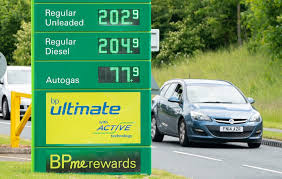
What Are Petrol Prices and How Are They Decided?
Petrol prices are not set randomly. They are influenced by a mix of global, national, and local factors. At the most basic level, petrol prices reflect the cost of crude oil, refining, transportation, taxes, and retailer margins.
However, what makes petrol prices frustrating for consumers is how quickly they can change—sometimes overnight.
Key components of petrol prices include:
- Crude oil prices
- Refining costs
- Government taxes and duties
- Distribution and storage
- Retail profit margins
Even if one factor changes slightly, it can cause noticeable price swings at the pump.
Global Factors That Impact Petrol Prices
1. Crude Oil Market Fluctuations
Crude oil is traded globally, and petrol prices closely follow its movement. When oil-producing countries reduce supply or when demand rises sharply, petrol prices increase.
Political instability in oil-producing regions, decisions by OPEC, and global conflicts can all push petrol prices higher within days.
2. Currency Exchange Rates
Petrol is usually traded in US dollars. When a country’s currency weakens against the dollar, petrol prices tend to rise—even if crude oil prices stay the same.
3. Global Demand and Supply
Economic growth increases demand for fuel. On the other hand, economic slowdowns or shifts to electric vehicles can reduce demand, sometimes lowering petrol prices temporarily.
Local Reasons Petrol Prices Go Up or Down
Government Taxes
Fuel tax is a major part of petrol prices in many countries. Any increase in fuel duty or VAT directly raises prices at the pump. Even when oil prices fall, high taxes can keep petrol prices elevated.
Refinery and Transport Costs
Maintenance shutdowns at refineries or higher transportation costs can reduce supply, leading to higher petrol prices locally.
Seasonal Changes
Petrol prices often rise during holiday seasons when travel increases. Summer blends of fuel can also cost more to produce.
Petrol Prices and Inflation: The Hidden Connection
One of the biggest reasons petrol prices matter is their direct link to inflation. When fuel costs rise:
- Transport becomes more expensive
- Food prices increase
- Delivery and logistics costs go up
- Everyday goods become costlier
This ripple effect means rising petrol prices can quietly reduce purchasing power across the entire economy.
Are Petrol Prices Expected to Rise in 2026?
While exact predictions are impossible, most analysts expect continued volatility in petrol prices in 2026. Factors such as geopolitical tensions, climate policies, and the slow transition away from fossil fuels suggest prices may remain unstable rather than consistently low.
Governments are also under pressure to balance environmental goals with the financial burden on consumers, which may influence future fuel tax decisions.
How Rising Petrol Prices Affect Everyday Life
Higher petrol prices don’t just affect drivers—they affect everyone.
- Commuters pay more to travel
- Businesses face higher operating costs
- Online shopping delivery fees may rise
- Public transport fares often increase
For households already managing tight budgets, fuel price hikes can feel overwhelming.
Smart Ways to Save Money When Petrol Prices Are High
Even when petrol prices are rising, there are practical ways to reduce their impact:
Drive Smarter
Smooth acceleration, steady speeds, and avoiding unnecessary idling can significantly reduce fuel consumption.
Maintain Your Vehicle
Well-inflated tyres, regular servicing, and clean air filters improve fuel efficiency.
Compare Fuel Prices
Using fuel price comparison apps or local websites can help you find cheaper petrol nearby.
Reduce Short Trips
Short journeys use more fuel. Walking or combining trips can save money over time.
Consider Alternative Vehicles
Hybrid and fuel-efficient cars are becoming more affordable and can drastically cut fuel costs in the long run.
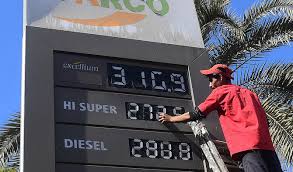
Petrol Prices vs Alternative Energy: Is Change Coming?
As petrol prices remain unpredictable, many consumers are exploring alternatives such as electric vehicles, hybrid cars, and public transport. Governments worldwide are investing in charging infrastructure and offering incentives to reduce dependence on petrol.
However, petrol is unlikely to disappear anytime soon. For the foreseeable future, petrol prices will continue to play a major role in household and business expenses.
Final Thoughts on Petrol Prices
Petrol prices are influenced by a complex web of global and local factors, making them difficult to control or predict. While consumers can’t control oil markets or government taxes, understanding how petrol prices work helps you make smarter financial decisions.
As we move through 2026, staying informed, driving efficiently, and planning ahead will be the best ways to manage the impact of rising petrol prices on your daily life.
