

“Saudi Arabia”,
Saudi Arabia: A Rising Power in the Heart of the Middle East
Saudi Arabia, a country once known primarily for its oil wealth and vast deserts, is now capturing global attention for far more. From ambitious development projects and growing tourism to pivotal geopolitical influence, Saudi Arabia is rapidly transforming. This article explores everything you need to know about this dynamic nation—its history, culture, economy, tourism, and global impact—through an engaging and informative lens.
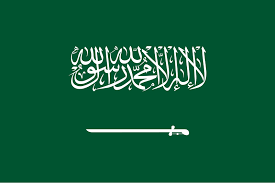
A Brief Overview of Saudi Arabia
Located on the Arabian Peninsula, Saudi Arabia is the largest country in the Middle East. It shares borders with Jordan, Iraq, Kuwait, Bahrain, Qatar, the UAE, Oman, and Yemen. With a population of over 36 million (as of 2025) and a land area of more than 2.1 million square kilometers, it plays a central role in the region.
Its capital, Riyadh, is a rapidly developing metropolis, while cities like Jeddah and Dammam contribute to the kingdom’s growing urban influence. However, it’s the two holy cities of Makkah and Madinah that make Saudi Arabia spiritually significant to over 1.9 billion Muslims around the globe.
The Economic Backbone: Oil and Vision 2030
For decades, Saudi Arabia’s economy revolved around oil. Home to about 15% of the world’s proven petroleum reserves, it remains one of the largest oil producers and exporters. The economy boomed in the 20th century, fueling infrastructure, healthcare, and education development.
However, Vision 2030, an ambitious reform plan launched by Crown Prince Mohammed bin Salman, aims to reduce the country’s dependence on oil. The focus has shifted toward diversifying the economy by promoting:
- Tourism
- Technology
- Entertainment
- Renewable energy
- Logistics and transportation
The NEOM megacity project, Qiddiya entertainment city, and Red Sea tourism initiatives are just a few examples of how Saudi Arabia is rebranding itself for the future.
Saudi Arabia’s Cultural Landscape
Saudi Arabia is deeply rooted in Islamic tradition, yet it’s experiencing a cultural awakening. Previously conservative in nature, the kingdom has taken steps to modernize while preserving its rich heritage.
Key Aspects of Saudi Culture:
- Religion: Islam plays a central role in daily life. The five daily prayers, Ramadan fasting, and pilgrimage (Hajj and Umrah) are part of the social fabric.
- Clothing: Traditional dress includes the thobe for men and abaya for women. However, recent years have seen more relaxed dress codes, especially for tourists.
- Cuisine: Saudi dishes like kabsa (spiced rice with meat), mutabbaq (stuffed pancake), and samboosa reflect a blend of Bedouin and regional flavors.
- Music & Art: Once banned, live concerts, cinema, and art exhibitions are now flourishing. The rise of events like MDLBEAST Soundstorm (a massive music festival) shows a shift toward a more vibrant cultural scene.
Tourism in Saudi Arabia: A New Frontier
Until recently, Saudi Arabia was one of the most difficult countries to visit, primarily open to religious pilgrims. That changed in 2019 with the introduction of the e-Visa system, opening doors to global travelers.
Top Tourist Destinations in Saudi Arabia:
- Al-Ula: Home to ancient Nabatean ruins like Madain Saleh (Hegra), a UNESCO World Heritage Site.
- Riyadh: Modern skyline, historical sites like Diriyah, and a booming culinary scene.
- Jeddah: A coastal city with art galleries, historic Al-Balad district, and the iconic Jeddah Corniche.
- Abha: In the Asir region, known for its cool climate, mountains, and vibrant architecture.
- The Red Sea Project: A luxury tourism initiative featuring untouched islands, coral reefs, and desert adventures.
Saudi Arabia is positioning itself as a top tourist destination, offering heritage, nature, luxury, and spirituality all in one.
Women Empowerment and Social Reforms
One of the most significant changes in Saudi Arabia is the increased participation of women in society and the workforce. Key reforms include:
- Women can now drive, travel without a male guardian, and work in various sectors.
- Female participation in the workforce has more than doubled in recent years.
- Women-owned businesses and female entrepreneurs are rising in number.
These changes are part of a broader effort to modernize the kingdom and attract foreign investment.
Saudi Arabia’s Role in Global Politics
As the de facto leader of the Arab world and a member of the G20, Saudi Arabia plays a vital role in regional and international politics. It maintains strong ties with countries like the United States, China, and members of the GCC (Gulf Cooperation Council).
In recent years, Saudi Arabia has also taken steps toward regional diplomacy, working to resolve conflicts and ease tensions—especially with neighboring countries like Iran and Yemen.
Sports and Entertainment Boom
Saudi Arabia has heavily invested in sports and entertainment, bringing international attention to the kingdom. Notable developments include:
- Hosting Formula 1 races in Jeddah.
- Big-name boxing matches and WWE events.
- The Saudi Pro League attracting global football stars, including Cristiano Ronaldo and Karim Benzema.
- Plans for Esports World Cup 2024 and beyond.
This move not only diversifies the economy but also positions Saudi Arabia as a global entertainment hub.
Environmental Efforts and Renewable Energy
Despite its oil legacy, Saudi Arabia is looking toward a greener future. Projects like the Saudi Green Initiative aim to:
- Plant 10 billion trees by 2030.
- Generate 50% of its electricity from renewable sources.
- Reduce carbon emissions and protect marine and desert ecosystems.
The NEOM city also focuses on sustainable living, smart infrastructure, and zero-emission transportation.
Final Thoughts: Saudi Arabia’s Future
Saudi Arabia is at a pivotal moment in its history. With bold reforms, strategic investments, and a newfound openness, it’s carving out a new identity on the global stage. For travelers, investors, and observers alike, Saudi Arabia is a country to watch.
Whether you’re curious about its cultural heritage, its modern mega-projects, or its role in global affairs, one thing is clear—Saudi Arabia is no longer just the land of oil and desert. It’s the future face of a modern Middle East.
Keywords Used: Saudi Arabia, Saudi tourism, Saudi economy, Vision 2030, Saudi culture, travel to Saudi Arabia, Riyadh, Jeddah, Al-Ula, NEOM project.
