

Victoria Line: Everything You Need to Know About London’s Iconic Tube Route
The Victoria Line is more than just a stretch of railway—it’s the heartbeat of London’s transport system. Known for its speed, efficiency, and connectivity, the Victoria Line plays a crucial role in the daily lives of millions. Whether you’re a commuter, a tourist, or a history enthusiast, understanding the ins and outs of the Victoria Line can help you navigate London like a local.
In this comprehensive guide, we’ll explore everything about the Victoria Line—from its fascinating history to real-time travel tips and future developments.
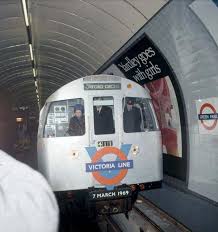
What Is the Victoria Line?
The Victoria Line is one of the 11 lines that make up the London Underground network. It’s easily recognized by its light blue color on the Tube map and stretches from Walthamstow Central in the north to Brixton in the south. Covering a distance of just over 13 miles (21 km), the line passes through some of the most important central London stations, including Oxford Circus, Victoria, King’s Cross St Pancras, and Green Park.
A Brief History of the Victoria Line
The Victoria Line was first opened in 1968, making it one of the newer additions to the Underground system. Its creation was driven by the need to relieve congestion on other busy lines like the Piccadilly and Central Lines. It was also the first automatic passenger railway line in the UK, showcasing cutting-edge technology at the time.
Interestingly, it was named after Victoria Station, one of its key interchange points. The entire line was completed in 1971, and since then, it has undergone multiple upgrades to accommodate growing passenger numbers.
Key Stations on the Victoria Line
Each station along the Victoria Line has its own significance. Here’s a quick rundown of some of the most notable ones:
- Walthamstow Central – The northern terminus, great for accessing northeast London.
- Finsbury Park – Major interchange with National Rail and the Piccadilly Line.
- King’s Cross St. Pancras – A major hub connecting six Underground lines and international trains via Eurostar.
- Oxford Circus – A shopper’s paradise, linked with the Bakerloo and Central Lines.
- Green Park – Close to Buckingham Palace and a key interchange with Jubilee and Piccadilly Lines.
- Victoria – A major national rail terminus with access to Gatwick Airport.
- Brixton – The southern terminus, known for its vibrant culture and nightlife.
Why Is the Victoria Line So Popular?
There are several reasons the Victoria Line is considered one of the most efficient and heavily used lines in London:
1. Speed and Frequency
Trains on the Victoria Line are known to be some of the fastest in the entire London Underground network. At peak times, a train arrives every 100 seconds, making it one of the most frequent services in the world.
2. Automatic Operation
It was the first London Underground line to use automatic train operation (ATO), which allows trains to run faster and closer together while maintaining safety.
3. Strategic Connectivity
The line connects with all other Underground lines except the Waterloo & City, making it one of the best routes for changing between services.
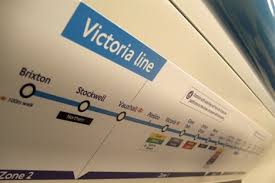
Tips for Using the Victoria Line
Here are a few practical tips to make your Victoria Line journey smooth and stress-free:
- Travel Off-Peak: If you want to avoid crowds, try travelling between 10 AM and 4 PM or after 7 PM.
- Use Contactless Payment: Avoid ticket queues by using your contactless card or smartphone to tap in and out.
- Plan for Maintenance: Like all Underground lines, the Victoria Line occasionally has weekend closures or delays. Always check the TfL (Transport for London) website before travelling.
- Know the Exits: Stations like Oxford Circus and King’s Cross are vast, so knowing the correct exit for your destination can save time.
Interesting Facts About the Victoria Line
- Named After a Queen: The Victoria Line is the only line named after a monarch.
- Tiling System: Each station features unique tile artwork. For example, Oxford Circus shows a cross representing the intersection of Oxford Street and Regent Street.
- Deepest Station: Pimlico is the only station on the line without an interchange and is also one of the deepest.
- Quick Transfers: The line was built with easy interchanges in mind—transfers at key stations like Green Park and King’s Cross are among the shortest walks on the network.
Future of the Victoria Line
While the Victoria Line has already seen substantial upgrades, further improvements are being considered to meet increasing demand:
- New Rolling Stock: TfL has plans to introduce more energy-efficient and spacious trains in the next decade.
- Platform Screen Doors: To improve safety and efficiency, there is ongoing discussion about installing platform screen doors at busy stations.
- Signal Upgrades: Continued investment in signalling technology is expected to increase the line’s capacity and reliability even further.
Victoria Line and Sustainability
The Victoria Line plays an important role in supporting London’s sustainability goals. With more people choosing the Tube over cars, it helps reduce the city’s carbon emissions and traffic congestion. Energy-efficient trains and regenerative braking systems also contribute to making the line more eco-friendly.
Final Thoughts
The Victoria Line is more than just a light blue line on the map—it’s a vital, dynamic part of London’s urban fabric. Whether you’re hopping on it to get to work, visit a museum, or catch a train at King’s Cross, the Victoria Line ensures you get there quickly and comfortably.
As London grows and changes, the Victoria Line continues to adapt, making it a true pillar of public transport in one of the world’s busiest cities.
So next time you step onto a train at Oxford Circus or Brixton, take a moment to appreciate just how much this iconic line has shaped—and continues to shape—the way London moves.
Meta Description:
Discover the complete guide to the Victoria Line in London: key stations, travel tips, history, upgrades, and why it’s one of the fastest and most important Tube lines.
If you’d like, I can also help format this into HTML or a Google Web Story!
