
“Women’s Cricket World Cup”
Women’s Cricket World Cup: History, Highlights, and What’s Next for the Game
The Women’s Cricket World Cup has grown into one of the most prestigious sporting tournaments in the world, showcasing not only extraordinary cricketing talent but also the unstoppable rise of women’s sports. With global audiences increasing every edition, this tournament is no longer just about cricket—it’s about empowerment, representation, and the breaking of barriers.
In this article, we’ll dive into the history, most iconic moments, top players, records, and the future of the Women’s Cricket World Cup. Whether you’re a die-hard cricket fan or just starting to follow women’s sports, this guide will give you everything you need to know.
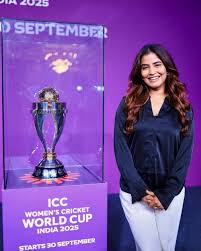
A Brief History of the Women’s Cricket World Cup
The first Women’s Cricket World Cup was held in 1973 in England, two years before the men’s version. This makes it the oldest international World Cup tournament in cricket history. Funded by businessman Sir Jack Hayward, the tournament saw seven teams participate, and England emerged as the first champions.
Over the decades, the Women’s World Cup has expanded to include more teams, advanced broadcasting coverage, and incredible levels of competition. Today, it is governed by the International Cricket Council (ICC) and attracts millions of viewers worldwide.
Why the Women’s Cricket World Cup Matters
- Global Representation – Teams from Asia, Europe, Africa, and Oceania compete, making it a true international spectacle.
- Inspiring Generations – Stars like Mithali Raj, Ellyse Perry, Meg Lanning, and Smriti Mandhana have become role models for young girls across the world.
- High-Quality Cricket – With close finishes, power-hitting, and skillful bowling, the women’s game has reached world-class standards.
- Economic Growth – Sponsorships, TV deals, and online streaming rights for the Women’s World Cup are growing rapidly, bringing financial strength to women’s cricket.
Memorable Moments in Women’s Cricket World Cup History
- 1973 – England win the inaugural tournament, setting the stage for future editions.
- 2000 – New Zealand defeat Australia in a thrilling final at Lincoln.
- 2017 – The most famous edition yet, where England defeated India by 9 runs at Lord’s in front of a record-breaking crowd.
- 2022 – Australia showcased their dominance by lifting their seventh World Cup title, beating England in the final at Christchurch.
These moments have not only defined the sport but also pushed women’s cricket into the mainstream sporting conversation.
Women’s Cricket World Cup Champions List
Here’s a quick look at past winners of the tournament:
- Australia – 7 titles (the most successful team)
- England – 4 titles
- New Zealand – 1 title
India has reached the final twice but is still waiting to claim its first trophy—a storyline that adds extra excitement for fans in upcoming tournaments.
Top Players Who Changed the Game
The Women’s Cricket World Cup has been graced by legends whose contributions reshaped cricket:
- Mithali Raj (India) – The highest run-scorer in women’s cricket World Cup history.
- Ellyse Perry (Australia) – Known for her all-round brilliance and consistency.
- Jhulan Goswami (India) – The highest wicket-taker in the tournament’s history.
- Meg Lanning (Australia) – One of the most successful captains of modern cricket.
These icons prove that the women’s game has talent equal to, if not greater than, the men’s.
The Evolution of Women’s Cricket World Cup Viewership
The rise of digital platforms and streaming has given women’s cricket a global audience. The 2017 final at Lord’s attracted over 180 million viewers, while the 2022 edition saw record-breaking online engagement, particularly in India, Australia, and England.
As brands, broadcasters, and sponsors continue to invest, the Women’s World Cup is expected to rival major men’s tournaments in viewership and commercial revenue.
Future of the Women’s Cricket World Cup
The ICC has already announced plans to expand the tournament to 10 teams from 2029, ensuring more opportunities for developing cricket nations. Additionally, increased prize money, better facilities, and improved broadcasting rights promise an even brighter future for women’s cricket.
With T20 leagues like WPL (Women’s Premier League in India) and The Hundred (UK) building stars, the World Cup will only grow in competitiveness and entertainment value.

Why You Should Watch the Next Women’s Cricket World Cup
If you think cricket is only about men’s games, you’re missing out on:
- Close thrillers that keep you hooked until the last ball.
- Inspirational stories of women overcoming barriers to play at the world stage.
- High-quality performances with batting power, bowling accuracy, and fielding brilliance.
- Global unity as nations celebrate their teams with passion.
Final Thoughts
The Women’s Cricket World Cup is no longer just a tournament—it’s a movement that reflects the growth of women’s sports, equality in cricket, and the passion of millions of fans. From its humble beginnings in 1973 to its status today as a global sporting phenomenon, the tournament has inspired countless athletes and fans worldwide.
As the next edition approaches, the excitement is building. Will Australia continue their dominance? Can England defend their legacy? Or will India finally clinch their long-awaited trophy? One thing is certain—the world will be watching.
