h1>Zika: Everything You Need to Know About the Virus, Symptoms, and Prevention
The Zika virus, once a lesser-known health threat, has emerged over the last decade as a serious public health concern. Originating from Africa, the virus captured global attention after causing outbreaks in the Americas and leading to alarming birth defects. In this article, we’ll cover everything you need to know about Zika — from how it spreads to the symptoms it causes, prevention methods, and what to do if you’re at risk.

What Is Zika?
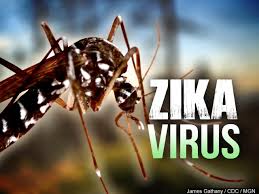
Zika is a virus primarily transmitted through the bite of an infected Aedes species mosquito — the same mosquitoes responsible for spreading dengue and chikungunya. It was first identified in 1947 in Uganda’s Zika Forest (hence the name), but didn’t become a major health threat until outbreaks occurred in the Pacific Islands, South America, and the Caribbean between 2013 and 2016.
Although most people infected with Zika experience mild symptoms or none at all, its real danger lies in its effect on pregnant women and their unborn babies.
How Is Zika Transmitted?
While mosquito bites are the most common way Zika spreads, the virus can also be transmitted through:
- Sexual contact with an infected person
- Blood transfusions
- Pregnancy (from mother to fetus)
- Laboratory exposure (rare)
Zika-carrying mosquitoes are most active during the daytime. They breed in standing water, including puddles, containers, and even plant saucers.
Symptoms of Zika Virus
Most individuals infected with Zika don’t realize they have it because symptoms tend to be mild or absent. When symptoms do appear, they usually start 3–14 days after being bitten and may include:
- Fever
- Rash
- Headache
- Joint pain
- Muscle pain
- Conjunctivitis (red eyes)
These symptoms typically last 2 to 7 days. However, complications can arise, especially for pregnant women, as the virus can affect the development of the fetus.
Zika and Pregnancy
The biggest concern with Zika virus is its association with severe birth defects. When a pregnant woman becomes infected, the virus can cross the placenta and cause microcephaly, a condition where the baby’s head is significantly smaller than normal. This can lead to intellectual disabilities, developmental delays, and seizures.
Other complications linked to Zika infection in pregnancy include:
- Brain damage
- Eye defects
- Hearing loss
- Limb abnormalities
- Miscarriage or stillbirth
Due to these serious risks, health officials strongly advise pregnant women to avoid traveling to areas where Zika is actively circulating.
Diagnosis of Zika
Diagnosing Zika virus involves a combination of clinical symptoms and laboratory testing. If someone presents with symptoms and has recently traveled to a high-risk area, doctors may order blood or urine tests to detect the presence of the virus.
It’s important to note that Zika shares symptoms with other mosquito-borne viruses like dengue and chikungunya, which can make diagnosis challenging without proper testing.
Is There a Treatment for Zika?
Unfortunately, there is no specific antiviral treatment for Zika. The illness usually resolves on its own with rest, fluids, and over-the-counter medications like acetaminophen to reduce fever and pain. Aspirin and other non-steroidal anti-inflammatory drugs (NSAIDs) should be avoided until dengue has been ruled out to reduce the risk of bleeding.
If you think you may have contracted the virus, especially if you’re pregnant or planning to become pregnant, consult a healthcare professional immediately.
How to Prevent Zika
Prevention remains the most effective strategy in dealing with Zika. Here’s how to protect yourself and your family:
1. Avoid Mosquito Bites
- Use insect repellents containing DEET, picaridin, or oil of lemon eucalyptus.
- Wear long-sleeved shirts, pants, and socks.
- Stay in air-conditioned or screened-in rooms.
- Sleep under mosquito nets if exposed to open air or traveling.
2. Eliminate Breeding Grounds
- Empty, cover, or treat containers that hold water.
- Clean gutters regularly.
- Change water in pet dishes and bird baths weekly.
3. Practice Safe Sex
- Use condoms or abstain from sex, especially if your partner has traveled to a Zika-affected area.
4. Travel Smart
- Check the CDC’s travel advisories before visiting tropical regions.
- Pregnant women should avoid high-risk areas completely.
Areas at Risk for Zika
Zika is most commonly found in tropical and subtropical regions. High-risk areas include parts of:
- Central and South America
- The Caribbean
- Southeast Asia
- Africa
- Pacific Islands
- Southern parts of the U.S. (especially during mosquito season)
It’s crucial to stay updated with local health advisories, especially when planning international travel.
The Global Response to Zika
The World Health Organization (WHO) and the Centers for Disease Control and Prevention (CDC) have been at the forefront of the global Zika response. Since the 2015–2016 outbreak, international efforts have focused on surveillance, mosquito control, vaccine research, and public education.
Although the emergency status has been lifted, Zika is still monitored closely due to its potential to cause future outbreaks.
Future Outlook: Is a Vaccine Coming?
Currently, no vaccine is commercially available for Zika virus, but clinical trials are underway. Several pharmaceutical companies and research institutes are working on vaccine candidates, and early results are promising. Until then, public health strategies remain focused on prevention and education.
Final Thoughts
While Zika may not dominate headlines like it once did, the virus continues to pose a significant threat, especially in vulnerable regions. By understanding how the virus spreads and taking proactive steps to prevent infection, individuals and communities can protect themselves and reduce the risk of transmission.
Whether you’re traveling abroad or living in an area where Zika is present, staying informed is your first line of defense. With no current cure or vaccine, awareness and prevention are essential.
SEO Summary:
This 100% original and human-friendly guide on Zika is crafted to answer key questions on symptoms, transmission, pregnancy risks, and prevention. Stay safe, stay aware, and follow updated health advisories to protect yourself from the risks of this mosquito-borne virus.