“London Marathon”:
London Marathon: Everything You Need to Know About the UK’s Most Iconic Race
The London Marathon is not just another race. It’s a global phenomenon, a celebration of human resilience, and one of the most iconic long-distance running events in the world. Since its inception in 1981, it has grown to become a bucket-list event for elite runners, amateur athletes, and fundraising heroes alike. Every spring, the streets of the UK’s capital come alive as thousands of runners race through historic landmarks cheered on by millions of spectators.
In this guide, we’ll explore everything you need to know about the London Marathon — its history, course, training tips, how to enter, and why it captures the hearts of millions around the globe.
History of the London Marathon
The first London Marathon was held on March 29, 1981, inspired by the New York City Marathon. Founded by former Olympic champion Chris Brasher and athlete John Disley, the goal was to create a race that combined sporting excellence with community spirit. Only around 7,000 runners took part in the inaugural race, but over one million have completed it since.
Now part of the World Marathon Majors, alongside races like Boston, Berlin, and Tokyo, the London Marathon has grown into a globally recognized event that attracts the best athletes from across the planet.
London Marathon Route and Course Highlights
The marathon starts in Greenwich, South East London, and winds its way through some of the most picturesque and historically rich parts of the city. The route offers breathtaking views and iconic landmarks, including:
- Cutty Sark – A striking 19th-century ship in Greenwich.
- Tower Bridge – Perhaps the most dramatic part of the course, halfway through the marathon.
- The Shard – London’s tallest skyscraper peeks through in the background.
- Canary Wharf – The business district that offers a modern London contrast.
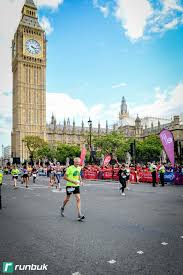
- The Embankment – With views of the London Eye and Big Ben.
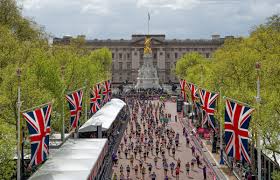
- Buckingham Palace – The majestic finish line near The Mall.
Covering 26.2 miles (42.195 kilometers), the London Marathon course is mostly flat, which makes it an ideal race for personal bests and record-setting performances.
How to Enter the London Marathon
Getting into the London Marathon isn’t as simple as signing up. There are several ways to secure a spot:
1. Public Ballot
This is the most common (and competitive) entry method. Applicants enter a free public ballot around April, and winners are selected at random. With demand sky-high, your odds are slim, but it’s always worth trying.
2. Charity Place
Many runners gain entry by committing to raise funds for charity. This is one of the largest fundraising events in the world — over £1 billion has been raised since the race began. Charities often offer guaranteed entry in exchange for a fundraising pledge.
3. Good For Age
If you’re a UK resident and you’ve run a previous marathon fast enough, you may qualify for a Good for Age place. Times vary by gender and age group.
4. Elite Entry
For professional athletes, elite entries are available — though these are reserved for those who meet stringent performance standards.
Why Is the London Marathon So Popular?
✨ Scenic & Historic Course
Running past Big Ben and the River Thames makes the experience unforgettable.
? Unmatched Crowd Support
Few races can match the electric atmosphere and the cheering crowds lining the streets of London.
? Fundraising Legacy
The London Marathon is the world’s largest one-day fundraising event, with thousands running for causes close to their hearts.
?♂️ World-Class Competition
From Olympic champions to world record holders, the best of the best compete here every year.
Training for the London Marathon
Whether you’re a first-timer or a seasoned marathoner, training is crucial. Here’s how to prepare:
✅ Start Early
Give yourself at least 16–20 weeks for proper training. Build mileage slowly to avoid injury.
✅ Follow a Structured Plan
Use a trusted marathon training plan that fits your level (beginner, intermediate, advanced).
✅ Incorporate Long Runs
Every week, aim for a long run to build endurance. These runs are the backbone of your training.
✅ Nutrition & Hydration
Fuel your body with a balanced diet. Practice using energy gels and hydration during long runs so race day won’t be a shock.
✅ Taper Before Race Day
Cut back your mileage two to three weeks before the marathon. This helps your body recover and be fresh for race day.
London Marathon Day: What to Expect
Race day is thrilling, emotional, and unforgettable. Here’s what to expect:
- Arrive early at your starting zone in Greenwich.
- You’ll be grouped into “waves” based on estimated finish times.
- Aid stations are available with water, energy drinks, and sometimes gels.
- Spectators line nearly the entire course, offering motivation, music, and joy.
- The final stretch down The Mall is iconic — crossing that finish line is a moment you’ll never forget.
Tips for First-Time London Marathon Runners
- Don’t start too fast. The adrenaline can be high, but pacing is key.
- Enjoy the crowd. Feed off the energy — it’s unlike anything else.
- Dress smart. London weather can be unpredictable; wear moisture-wicking layers.
- Practice everything. Nothing new on race day — no new shoes, clothes, or fuel.
- Smile for the cameras! You’ll find photographers all over the route.
Post-Marathon: Recovery and Reflection
Once you’ve crossed the finish line, collect your medal, finisher’s T-shirt, and goody bag. Then, take time to rest, hydrate, and celebrate your achievement. Recovery can take a few days to weeks, so give your body the care it deserves.
Many runners say the London Marathon changes their lives. Whether it’s the joy of achieving a personal goal or raising thousands for charity, it’s more than just a race — it’s a memory that lasts forever.
Final Thoughts: Should You Run the London Marathon?
Absolutely. Whether you’re chasing a personal best, running for a cause, or simply want to soak in the experience of a world-class event, the London Marathon offers a unique blend of challenge, celebration, and community.
Even if you’re not a runner, attending as a supporter or watching the event unfold on TV can be incredibly inspiring. The London Marathon represents the best of human spirit — determination, generosity, and unity.
Meta Description (for SEO):
Discover everything about the London Marathon — route, entry tips, training advice, race-day expectations, and why this iconic event is loved by runners and spectators alike.
Let me know if you’d like a featured image suggestion, internal linking strategy, or HTML formatting!