
Air Conditioner: Your Ultimate Guide to Staying Cool and Comfortable
As temperatures rise across the globe, owning an air conditioner has become less of a luxury and more of a necessity. Whether you’re battling a sweltering summer or trying to keep your home environment healthy and pleasant, choosing the right air conditioner can make all the difference.
In this comprehensive guide, we’ll walk you through everything you need to know about air conditioners—from how they work and different types available to energy efficiency, maintenance tips, and more.
What Is an Air Conditioner and How Does It Work?
An air conditioner is a device that removes heat and moisture from an indoor space, improving comfort, air quality, and overall living conditions. But how exactly does it work?
In simple terms, an air conditioner works by using a refrigerant to absorb heat from the indoor air and release it outside. This process involves four key components:
- Evaporator coil (inside unit)
- Compressor
- Condenser coil (outside unit)
- Expansion valve
The evaporator coil pulls in warm air and absorbs the heat. The refrigerant then carries this heat to the condenser coil, where it is released outside. The cooled air is then circulated back into the room.

Types of Air Conditioners: Which One Is Right for You?
Choosing the right air conditioner depends on your space, budget, and cooling needs. Here’s a breakdown of the most popular types:
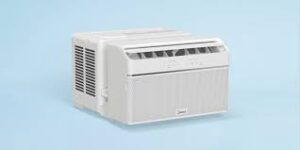
1. Window Air Conditioner
Ideal for single rooms or small apartments, window units are installed in windows and are relatively affordable. They’re easy to install but can block the view and light.
2. Split Air Conditioner
These are the most popular in homes and offices. A split AC has two units—indoor and outdoor—offering powerful cooling without taking up window space. They are quieter and more energy-efficient.
3. Portable Air Conditioner
Perfect for renters or those who want a movable option. Portable units are easy to set up but usually less efficient and noisier than split or window units.
4. Central Air Conditioner
Best for large homes or commercial spaces, central air conditioning systems can cool multiple rooms at once. They’re costly to install but offer seamless and consistent cooling.
5. Ductless Mini-Split Systems
These are ideal when you don’t have ductwork. They provide the flexibility of a split system without needing major renovations.
Key Features to Look for in an Air Conditioner
Buying an air conditioner is an investment, so it’s essential to know what features matter most.
- Cooling Capacity (BTU Rating): Choose based on your room size.
- Energy Efficiency Ratio (EER) or SEER Rating: Higher ratings mean better energy savings.
- Noise Level: Especially important for bedrooms and offices.
- Air Filters: Look for washable, HEPA, or carbon filters for cleaner air.
- Smart Controls: Wi-Fi compatibility and app-based control can make your AC more convenient.
- Dehumidification Mode: Reduces moisture for extra comfort in humid climates.
How to Maintain Your Air Conditioner for Optimal Performance
Regular maintenance keeps your air conditioner efficient and prolongs its life. Here are some simple tips:
- Clean or Replace Filters: Do this every 1-2 months.
- Inspect and Clean the Coils: Dust and debris can reduce cooling efficiency.
- Check the Thermostat Settings: Ensure it’s working accurately.
- Inspect Drain Lines: Make sure there’s no clogging that could cause water leakage.
- Annual Professional Servicing: A trained technician can detect and fix minor issues before they become major.
Air Conditioner and Energy Efficiency: What You Need to Know
With energy prices on the rise, efficiency is a critical factor. Always look for the Energy Star label when purchasing an air conditioner. Here are a few tips to help you save energy:
- Use a programmable thermostat to optimize usage.
- Keep doors and windows closed when the AC is on.
- Seal air leaks around windows and doors.
- Install curtains or blinds to block out direct sunlight.
A well-maintained air conditioner with a high SEER rating can significantly reduce your electricity bills over time.
Common Air Conditioner Problems and How to Fix Them
Even the best air conditioners can face occasional problems. Here are a few common issues and potential solutions:
1. AC Not Cooling Properly
Check for dirty filters, refrigerant leaks, or a malfunctioning thermostat.
2. Water Leakage
Often due to clogged or disconnected drain lines. Cleaning them usually resolves the issue.
3. Strange Noises
Could be due to loose parts, debris, or internal damage. Turn off the unit and call a technician.
4. Bad Odors
Usually caused by mold in the filters or ducts. Clean or replace the filters immediately.
The Future of Air Conditioning: Smarter, Greener, Cooler
The air conditioning industry is evolving rapidly with innovations aimed at increasing efficiency and sustainability. Here are a few trends to watch:
- Smart ACs with AI-powered temperature control
- Eco-friendly refrigerants that reduce carbon footprint
- Solar-powered air conditioning units
- Inverter technology for smoother operation and reduced energy consumption
These advancements not only help protect the environment but also offer better performance and lower running costs.
Final Thoughts: Why Choosing the Right Air Conditioner Matters
An air conditioner is more than just a machine—it’s your best defense against extreme heat and humidity. From enhancing your quality of life to improving indoor air quality and sleep, the right AC can be a game-changer.
Before purchasing, consider your space, cooling needs, and energy usage. Read reviews, compare features, and don’t forget the importance of regular maintenance.
With the right air conditioner, you’re not just cooling your home—you’re creating a healthier, happier, and more productive environment.
Frequently Asked Questions (FAQs)
Q1: How often should I service my air conditioner?
A: At least once a year, preferably before the cooling season begins.
Q2: What size air conditioner do I need?
A: It depends on room size. As a general rule, you need about 20 BTUs per square foot of space.
Q3: Can I install an air conditioner myself?
A: Portable and window units can be DIY-installed. For split and central systems, professional installation is recommended.
Meta Description (SEO Tip):
Discover the ultimate guide to air conditioners. Learn how they work, types, energy efficiency, maintenance tips, and what to look for before buying the best AC for your home or office.
