

River Island Stores Closing: What It Means for Shoppers and the High Street
River Island, one of the UK’s most iconic fashion retailers, is facing a new chapter. With reports surfacing about River Island stores closing across the UK and other parts of Europe, loyal customers and retail analysts alike are questioning what this means for the future of the brand and the broader retail landscape.
In this article, we explore why River Island is closing some of its stores, what the impact will be on customers and employees, and how the brand is adapting to the ever-changing world of fashion retail.
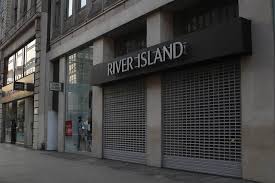
Why Are River Island Stores Closing?
The announcement of River Island store closures hasn’t come as a total surprise to industry experts. Several key factors are contributing to the decision:
1. Rise of Online Shopping
Like many other retailers, River Island has seen a massive shift in consumer behavior over the past decade. More shoppers are turning to online platforms rather than visiting physical stores. The convenience of mobile apps, home delivery, and online-only discounts means brick-and-mortar stores are struggling to compete.
2. Post-Pandemic Recovery Struggles
The COVID-19 pandemic accelerated the decline of foot traffic in shopping centres. While some stores bounced back, many others—particularly fashion retailers—have been slow to recover. River Island is now reassessing its retail footprint to reflect the new shopping habits that have become the norm.
3. Rising Operating Costs
From skyrocketing rents in prime retail locations to increased energy prices, running a physical store has become increasingly expensive. Reducing the number of stores allows River Island to focus on more profitable locations and strengthen its online infrastructure.
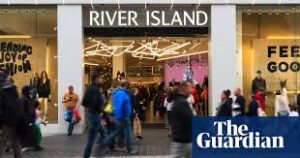
Which River Island Stores Are Closing?
As of mid-2025, River Island has not released a full list of the locations affected, but several regional closures have been confirmed. Cities like Sheffield, Glasgow, and parts of London have reportedly seen stores shuttered in recent months. Smaller towns where footfall has dwindled are also on the chopping block.
However, it’s important to note that River Island is not shutting down entirely. The company is streamlining its operations, which includes closing underperforming stores while investing more heavily in digital and flagship locations.
What Does This Mean for Employees?
Unfortunately, store closures often lead to job losses. While some employees are being relocated to nearby branches or offered positions in River Island’s online support and logistics departments, many are facing redundancy. The company has stated that it is doing its best to support staff during the transition, offering redundancy packages and job placement services.
Retail unions have expressed concern about the growing trend of closures, not just from River Island but across the high street, highlighting the urgent need for new strategies to protect retail jobs in the UK.
How Are Shoppers Reacting?
River Island has a strong customer base, known for its trendy fashion at affordable prices. Reactions from shoppers have been mixed. Many are disappointed to see their local stores disappear, especially in areas where high street shopping is a community activity.
Others, however, have already made the switch to online shopping. With free delivery, easy returns, and regular online exclusives, River Island’s e-commerce site has become the go-to for many of its fans.
Is River Island Going Out of Business?
Let’s be clear: River Island is not going out of business. The brand is pivoting, not closing down completely. In fact, the company is actively investing in its online presence, upgrading its website, launching mobile-first marketing campaigns, and exploring partnerships with influencers to stay relevant in the digital age.
They are also focusing on sustainability, introducing eco-friendly fashion lines and improving supply chain transparency to appeal to younger, conscious consumers.
What’s Next for River Island?
The closure of some stores is part of a broader retail transformation strategy. Here’s what River Island is focusing on moving forward:
- Strengthening its online platform to offer a more personalized and seamless shopping experience.
- Enhancing in-store experiences in flagship locations with better service, curated collections, and tech-enabled fitting rooms.
- Expanding click-and-collect services to ensure convenience for customers who want the best of both worlds.
- Launching new fashion lines that reflect current trends, sustainability goals, and diverse body types.
By making these changes, River Island aims to remain a major player in the competitive world of fast fashion while ensuring it aligns with modern consumer expectations.
The Future of the UK High Street
River Island’s store closures are part of a wider trend. Brands like Topshop, Debenhams, and House of Fraser have all made similar moves or vanished entirely from the high street in recent years. The traditional shopping experience is evolving, and brands must innovate or risk becoming obsolete.
For shoppers who cherish the tactile experience of shopping in-store, this is a sobering change. But for retailers, this shift offers a chance to reimagine what shopping can look like—seamless, sustainable, and digitally driven.
Final Thoughts
The news of River Island stores closing is part of a larger transformation in the retail world. While it’s sad to see beloved stores vanish from our local streets, the brand is far from disappearing. Instead, it’s embracing change—shifting towards a more digital, streamlined, and customer-focused future.
For fashion lovers, River Island still offers style, affordability, and convenience. The difference is that now, more than ever, the store is just a click away.
Keywords Targeted: River Island stores closing, River Island store closures, UK high street fashion, retail transformation, River Island online shopping, River Island job losses, UK fashion retail changes.
