“NASA’s Bold Move: Why a Nuclear Reactor on the Moon Could Change Everything”
Introduction: The New Space Race is Nuclear
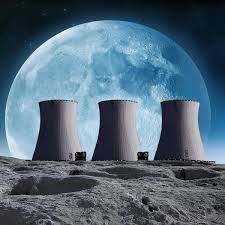
The world is once again gripped by a space race — but this time, it’s not just about flags and footprints. It’s about power. Literal power. With the upcoming Artemis missions and global interest in lunar colonization, one buzzword is catching attention worldwide: nuclear reactor on the Moon. Yes, the Moon might soon have its own nuclear power plant — and the implications are massive.
But why would we build a nuclear reactor on the Moon? What are the risks, the rewards, and the reality of this unprecedented scientific endeavor? Let’s explore how this futuristic plan could change space exploration forever.
Why Put a Nuclear Reactor on the Moon?
The idea may sound like something straight out of a sci-fi movie, but space agencies like NASA, in collaboration with companies like Lockheed Martin and Westinghouse, are already working on the real deal.
The goal? Sustainable, reliable energy on the Moon.
Here’s why:
- Solar power is unreliable on the Moon: Nights on the Moon last 14 Earth days. That’s half a month with no sunlight — making solar panels almost useless unless paired with massive batteries.
- Extreme lunar conditions: Temperatures swing wildly from scorching hot to freezing cold. A consistent energy source is needed to power habitats, scientific instruments, and life support systems.
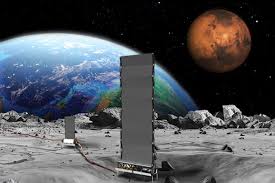
- Future Mars missions: A nuclear reactor on the Moon could serve as a testing ground for similar reactors on Mars.
NASA’s Lunar Fission Surface Power Project
NASA isn’t just dreaming — it’s building.
In 2022, NASA selected three companies to develop early designs for a fission surface power system that can be operational by the late 2020s. The goal is to deploy a small nuclear reactor on the Moon that can generate at least 40 kilowatts of continuous power — enough to support a small lunar outpost.
The reactor system must be:
- Lightweight and compact for easy transport
- Safe and shielded for astronauts
- Capable of autonomous operation
- Built to last at least 10 years
This isn’t just a concept anymore — it’s a countdown.
How Does a Lunar Nuclear Reactor Work?
Unlike traditional power plants on Earth, the Moon’s nuclear reactor will use fission, the process of splitting atoms to release energy.
Key components include:
- Uranium fuel rods: The source of energy.
- Reactor core: Where fission takes place.
- Heat exchangers: Transfer heat to power systems.
- Power conversion unit: Converts heat into usable electricity.
The system is self-contained and designed to require minimal maintenance — crucial when it’s operating nearly 239,000 miles away.
Benefits of a Nuclear Reactor on the Moon
Installing a nuclear reactor on the Moon isn’t just an engineering flex — it opens up game-changing possibilities:
1. Long-Term Lunar Habitation
With reliable power, astronauts can stay longer and explore more. Think permanent lunar bases, not just short visits.
2. Scientific Discovery
Power-hungry equipment like radar, telescopes, and drilling tools can run 24/7, giving scientists better data than ever before.
3. Launchpad for Mars
The Moon is the perfect testing site for Mars missions. What works on the Moon will likely work on the Red Planet, which also faces energy challenges.
4. Lunar Mining and Industry
A steady energy source makes mining for lunar resources — like water ice or rare metals — feasible. This could create an entirely new space economy.
Risks and Controversies: Is It Safe?
Naturally, the phrase “nuclear reactor on the Moon” raises eyebrows. Isn’t it dangerous?
NASA and its partners emphasize that these are low-enriched uranium reactors, not weapons-grade systems. They’re designed with multiple safety features, including:
- Radiation shielding
- Automatic shutdown systems
- Fail-safes for launch and landing
And remember: the Moon has no biosphere or population — making it one of the safest places to experiment with nuclear energy.
Still, critics argue:
- The launch from Earth could fail, releasing radioactive material.
- There’s potential for space debris collisions.
- It sets a precedent for future militarization of space.
The debate continues — but so does the mission.
Who Else Is Involved in the Moon’s Nuclear Future?
NASA isn’t alone. The global interest in putting a nuclear reactor on the Moon is growing rapidly.
- China is reportedly developing nuclear-powered systems for its future lunar missions.
- Russia has a long history with space nuclear technology and could join the race.
- Private companies, like Rolls-Royce in the UK, are also entering the field, pitching miniature nuclear reactors for space.
The Moon may soon become the ultimate test bed for geopolitical power — quite literally.
When Will It Happen?
NASA aims to deploy the first nuclear reactor on the Moon by 2030 — potentially earlier if Artemis missions proceed on schedule. The reactor would be part of a larger vision to establish a permanent human presence on the Moon by the 2030s.
And this isn’t just a “what if.” Prototypes are already being designed. Budgets have been approved. Teams are working.
It’s not a question of if — it’s when.
Final Thoughts: Powering Humanity’s Next Giant Leap
A nuclear reactor on the Moon could be the single most important step toward humanity becoming an interplanetary species. It powers possibility — unlocking exploration, industry, and even space colonization.
Of course, it comes with risk. With political tension, environmental concerns, and the unpredictability of space, this venture demands the best of science, diplomacy, and responsibility.
Still, one thing’s clear: whoever masters lunar nuclear power, masters the Moon — and maybe the future beyond it.
Frequently Asked Questions (FAQs)
Q: Will the Moon’s nuclear reactor be dangerous to Earth?
A: No. The design minimizes risk during launch, and the Moon has no life to harm. It’s one of the safest locations for such technology.
Q: How big will the reactor be?
A: NASA plans for it to fit into a standard lunar lander — about the size of a small car.
Q: What happens after 10 years?
A: The reactor will either be shut down and sealed or replaced with newer models, depending on mission needs.
Q: Could this lead to nuclear power in space colonies?
A: Absolutely. The success of this project could pave the way for reactors on Mars, asteroids, or orbital space stations.
If you’re fascinated by the future of space and energy, keep your eyes on the Moon — because it’s about to glow a whole lot brighter. 🌕