
“Indian Summer UK Weather.”
Indian Summer UK Weather: What It Means, Why It Happens, and How It Impacts Daily Life
When people hear the phrase “Indian Summer UK weather,” curiosity often follows. Is it just another warm spell? Does it have cultural roots? Or is it a modern climate phenomenon? In the UK, where weather is the nation’s favorite conversation starter, an Indian Summer is more than just a warm few days in autumn—it’s a fascinating blend of science, history, and seasonal surprise.
In this article, we’ll explore what Indian Summer really means in the UK, why it occurs, how it impacts lifestyle and health, and what the future of these warm spells could look like in the face of climate change.
What Is Indian Summer in the UK?
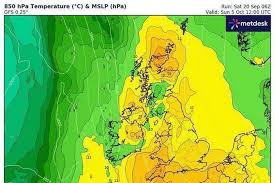
The term “Indian Summer” describes an unexpected period of warm, dry, and calm weather that usually arrives in September, October, or even early November—long after summer is supposed to be over.
In the UK, this kind of weather often follows the first frost of autumn, giving people a second taste of summer just as they start pulling out jumpers and coats. It can bring daytime highs above 20°C (68°F), making it feel almost Mediterranean.
The Origins of the Term “Indian Summer”
The phrase “Indian Summer” is believed to have originated in North America during the 18th century, describing warm spells that helped Native American tribes extend their harvest season. Over time, the term crossed into British vocabulary and has been widely used to describe these warm, dry conditions in the UK.
Though some climate experts argue the phrase should be retired due to cultural sensitivity, it remains deeply embedded in weather discussions and media headlines.
Why Does Indian Summer Happen in the UK?
Indian Summer in the UK is not just luck—it’s a result of specific weather patterns. Some of the key drivers include:
- High-Pressure Systems – When a stable high-pressure zone settles over Europe or the Atlantic, it blocks wet, windy weather and allows warm air to dominate.
- Warm Air from the South – Winds blowing from Spain, North Africa, or the Mediterranean can bring unseasonably high temperatures to Britain.
- Climate Shifts – Rising global temperatures may be making these warm spells more frequent and intense.
This combination creates conditions where people find themselves sunbathing in October while leaves are falling around them.
How Indian Summer Impacts Daily Life in the UK
The arrival of an Indian Summer can change the rhythm of British life almost instantly. Here’s how:
- Tourism Boost – Popular spots like Cornwall, Brighton, and the Lake District see an influx of visitors enjoying “bonus summer holidays.”
- Extended Outdoor Activities – Parks, pubs, and seaside towns remain lively as people delay their winter routines.
- Agriculture Benefits – Farmers can enjoy extra time for harvesting crops like apples and grapes, boosting yields.
- Health Effects – While most people welcome the sunshine, sudden heat surges can affect vulnerable groups like the elderly or those with respiratory conditions.
Memorable Indian Summers in UK History
Some years have stood out for their remarkable Indian Summer weather:
- 2011 – One of the hottest late-September/early-October spells, with temperatures reaching 29.9°C in Gravesend, Kent.
- 2018 – Known for its long, dry summer, the UK also experienced an unusually warm October.
- 2020 – A striking September heatwave, with highs of 30°C recorded in southern England.
Each event sparked media headlines, outdoor gatherings, and discussions about shifting climate norms.
Indian Summer and Climate Change: A Growing Trend?
The debate over Indian Summer UK weather often circles back to climate change. Scientists warn that as the planet warms, these autumn heatwaves may become:
- More frequent – Britain may see multiple warm spells in one autumn.
- Hotter – Temperatures could push past previous records.
- Longer lasting – A week or more of sunshine instead of a few days.
While this may sound pleasant, it can disrupt ecosystems, confuse wildlife, and impact long-term farming cycles.
Tips to Make the Most of Indian Summer in the UK
If you’re lucky enough to experience one, here are ways to enjoy and stay safe:
- Get Outdoors – Visit parks, beaches, and nature reserves while the weather lasts.
- Stay Hydrated – Warm days in autumn can still cause dehydration.
- Protect Skin – UV levels may be lower than in July, but sun protection is still important.
- Plan Mini-Breaks – Hotels and B&Bs often offer discounts in autumn, making it perfect for a last-minute getaway.
- Gardening Opportunity – Use the warm spell to prepare your garden before winter frost sets in.
The Cultural Side of Indian Summer
For many Brits, the phrase “Indian Summer” carries nostalgia. It reminds people of golden leaves, cozy evenings, and the surprise of having a pint in the sun when you thought summer was over. Media outlets often frame it as a “gift of sunshine,” sparking national optimism.
Even literature and art have embraced the idea of an Indian Summer, using it as a metaphor for a final burst of beauty before decline.

Conclusion: The Charm of Indian Summer UK Weather
Indian Summer UK weather remains one of the most cherished quirks of the British climate. While rooted in unique meteorological conditions, its impact is felt across tourism, agriculture, lifestyle, and even culture.
As climate change reshapes our seasons, these warm spells may become more common—but they’ll always carry that magical feeling of a bonus summer in the middle of autumn.
So, the next time the UK basks in unexpected sunshine during October, you’ll know it’s not just luck—it’s a classic Indian Summer, and it’s worth celebrating.
