
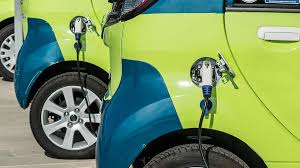
“Electric Vehicle Charging Reforms”
Electric Vehicle Charging Reforms: The Global Shift Driving the Future of Clean Transportation
The world is moving faster than ever toward a sustainable future, and at the heart of this revolution lies one critical transformation — electric vehicle charging reforms. These changes are not just about plugging in your EV anymore; they represent a complete overhaul of how nations, automakers, and energy companies envision the next generation of mobility.
Whether you’re an investor, a tech enthusiast, or an everyday driver considering a switch to electric, understanding these reforms could change how you view the roads of tomorrow.
What Are Electric Vehicle Charging Reforms?
Electric vehicle (EV) charging reforms refer to a series of government policies, regulatory changes, and technological advancements aimed at making EV charging faster, more accessible, and more affordable for consumers.
These reforms address several key issues:
- Standardization of charging networks across brands and regions
- Incentives for public and private charging infrastructure
- Integration of renewable energy sources into the grid
- Upgrades to power distribution systems to prevent overload
- Consumer protections and transparent pricing models
In simple terms, charging reforms are the backbone of the EV revolution, ensuring electric vehicles are as convenient and reliable as their gasoline counterparts.
Why Electric Vehicle Charging Reforms Matter in 2025 and Beyond
As the global EV market accelerates, the pressure on governments and energy providers to improve infrastructure has never been higher. According to recent industry forecasts, EV sales are expected to surpass 50 million units annually by 2030, but without charging reforms, grid reliability and consumer confidence could be major roadblocks.
Here’s why these reforms are essential right now:
1. Boosting EV Adoption Rates
Consumers often hesitate to switch to electric cars due to “range anxiety” — the fear of running out of power before finding a charger. Reforms that mandate more public charging stations in cities, highways, and rural areas directly combat this issue.
2. Ensuring Grid Stability
As millions of EVs plug in daily, energy demand skyrockets. Charging reforms introduce smart grid technologies that balance supply and demand automatically, ensuring no region faces blackouts due to sudden surges.
3. Encouraging Renewable Integration
Many countries are tying EV charging stations to solar, wind, and hydro power sources. This means EVs will no longer just be zero-emission vehicles on the road but also contributors to a cleaner power ecosystem.
Countries Leading the Electric Vehicle Charging Reforms
Some countries have taken the lead in shaping the future of EV charging, setting benchmarks that others are quickly following:
1. United States
The U.S. has rolled out a massive National Electric Vehicle Infrastructure (NEVI) program, allocating billions of dollars to build charging corridors across states. These reforms aim to install 500,000 new fast chargers nationwide by 2030, covering urban and rural areas alike.
2. United Kingdom
The UK’s charging reforms are centered on smart charging laws requiring all new home chargers to be energy-efficient and capable of adjusting usage based on grid demand. This ensures that EV charging is sustainable and cost-effective.
3. European Union
The EU has set an ambitious target: a charging point every 60 kilometers on major highways. Reforms are pushing interoperability — meaning any EV can use any charger, regardless of brand or manufacturer.
4. China
China’s EV dominance continues with government-led charging reforms focusing on battery swapping technology, which allows drivers to replace depleted batteries in under five minutes instead of waiting to recharge.
How Charging Reforms Affect Consumers
For the everyday driver, these reforms bring both immediate and long-term benefits:
- Lower Charging Costs: Competitive energy pricing and incentives reduce the cost per mile.
- More Charging Options: From high-speed highway chargers to residential setups, options are expanding rapidly.
- Faster Charging Speeds: New technologies like 800V fast-charging systems can add hundreds of kilometers of range in just minutes.
- Seamless Digital Payments: Reforms are introducing universal payment systems, so you can pay at any station without multiple apps or cards.
These developments are turning EV ownership from a luxury into a mainstream, affordable lifestyle choice.
The Role of Private Companies in Charging Reforms
While governments are setting the framework, private companies are executing it. Tech giants, automakers, and energy providers are teaming up to reshape the industry.
- Tesla has opened parts of its Supercharger network to non-Tesla vehicles, a major step toward interoperability.
- Shell and BP are investing heavily in EV charging hubs powered by renewables.
- Startups are innovating with portable chargers, wireless charging pads, and even vehicle-to-grid (V2G) systems that let EVs feed power back to the grid.
This public-private collaboration ensures that reforms are implemented effectively, quickly, and on a global scale.
Challenges on the Road Ahead
Despite rapid progress, several challenges remain:
- High installation costs for charging stations
- Unequal infrastructure distribution between cities and rural regions
- Battery recycling concerns and environmental impacts
- Regulatory differences across countries slowing interoperability
Overcoming these issues will require consistent policy enforcement, cross-border collaboration, and continued technological innovation.
The Future of Electric Vehicle Charging Reforms
Looking ahead, experts predict the next decade will bring a hyper-connected, renewable-driven EV ecosystem. AI-powered charging systems will optimize electricity use, and ultra-fast chargers will make “refueling” as quick as grabbing a coffee.
Imagine highways equipped with inductive charging lanes — where your car charges while driving — or neighborhoods where shared solar grids power every parked EV.
That future is not far away.
Conclusion: The Road to a Cleaner Tomorrow
Electric vehicle charging reforms are more than just a policy trend — they are the foundation of a global clean energy revolution. With each reform, the world gets one step closer to ending fossil fuel dependence, reducing emissions, and empowering consumers with smarter, greener choices.
As these reforms take hold, one thing is clear: the future of transportation is electric — and it’s charging up faster than ever.
✅ SEO Keywords to Rank This Article Globally:
- Electric Vehicle Charging Reforms
- EV Charging Policy 2025
- EV Infrastructure Development
- Global EV Charging Network
- Electric Vehicle Charging Future
- Clean Energy Transportation
