“inflation”
Inflation: The Hidden Force Shaping Your Wallet and the Global Economy
Inflation — it’s a word that sends ripples through financial markets, economies, and even your grocery bills. But what exactly is inflation, why does it happen, and how does it impact your daily life? Whether you’re an investor, a homeowner, or just someone trying to stretch your paycheck, understanding inflation is more crucial today than ever before.
Let’s dive deep into what drives inflation, how governments fight it, and most importantly, how you can protect yourself and even profit when prices rise.

What Is Inflation?
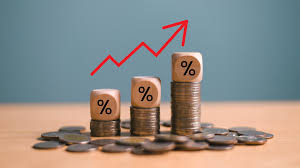
At its core, inflation is the rate at which the general level of prices for goods and services rises, eroding the purchasing power of money. Simply put, when inflation goes up, your money buys less.
For example, if your favorite coffee cost $3 last year and now costs $3.30, that’s inflation at work — a 10% price increase. While this might seem small, over time, inflation compounds and can have a major impact on your financial well-being.
Causes of Inflation: Why Do Prices Rise?
Inflation isn’t random. It’s caused by specific economic factors, often working together. Here are the main drivers:
- Demand-Pull Inflation – When demand exceeds supply. Think of post-pandemic spending booms when people wanted to buy more than what was available, pushing prices up.
- Cost-Push Inflation – When production costs rise (like oil, labor, or materials), businesses increase prices to maintain profits.
- Built-In Inflation – When workers demand higher wages to keep up with living costs, businesses pass those costs to consumers.
- Monetary Inflation – When central banks print too much money, the currency loses value. More money chasing the same goods means higher prices.
How Inflation Affects Your Daily Life
Inflation doesn’t just hit financial markets — it affects you personally. Here’s how:
- Groceries and Essentials: Everyday items cost more. Your shopping basket that once cost $50 might now cost $65.
- Savings: If your savings earn less than the inflation rate, you’re losing money in real terms.
- Borrowing and Loans: Inflation can be good for borrowers since debt value erodes over time, but it hurts lenders.
- Investments: Inflation can hurt fixed-income assets like bonds but often boosts real assets like property, commodities, and certain stocks.
Global Inflation: A 2025 Snapshot
In 2025, inflation remains one of the most discussed economic issues worldwide. After pandemic-era supply shocks, geopolitical tensions, and fluctuating energy prices, countries are still struggling to stabilize.
- United States: Inflation cooled down but remains above the Federal Reserve’s target of 2%. The housing and healthcare sectors continue to drive price increases.
- United Kingdom: Persistent inflation pressures from energy costs and imported goods keep the Bank of England cautious about rate cuts.
- European Union: Moderate inflation, but uneven across member states due to different fiscal responses.
- Emerging Markets: Nations like India and Brazil face food inflation due to weather and export restrictions.
This global picture shows that inflation is not just a national problem—it’s a worldwide challenge impacting every economy differently.
Inflation and Interest Rates: A Delicate Balance
Central banks have one major tool to combat inflation — interest rates. When inflation rises, central banks increase rates to cool spending and borrowing. However, this comes with side effects:
- Higher rates can slow down economic growth.
- Businesses may cut back on hiring and investment.
- Consumers may find mortgages and loans more expensive.
This is why managing inflation is like walking a tightrope: too much tightening can cause a recession, while too little can let prices spiral out of control.
How to Protect Yourself from Inflation
Inflation can quietly eat away at your wealth, but with smart planning, you can shield yourself — or even benefit. Here’s how:
- Invest in Real Assets
Real estate, gold, and commodities tend to rise with inflation, maintaining their value over time. - Buy Dividend Stocks
Companies with pricing power (like consumer staples and energy) can increase dividends even during inflationary times. - Diversify Your Portfolio
Don’t rely solely on cash or fixed-income assets. A balanced portfolio helps manage inflation risk. - Cut Unnecessary Debt
High-interest loans become even more painful when rates rise. - Track Inflation-Linked Bonds (TIPS)
Treasury Inflation-Protected Securities adjust their returns based on inflation, offering a hedge against rising prices.
The Psychological Side of Inflation
Interestingly, inflation also impacts our psychology. When people expect prices to keep rising, they rush to buy — which in turn drives prices even higher. This self-fulfilling prophecy is why controlling inflation expectations is as vital as controlling inflation itself.
Governments and central banks know this well. Their communication and credibility are crucial to stabilizing public confidence in the economy.
Inflation and the Future: What’s Next?
Looking ahead, experts predict that inflation will remain a key factor shaping global economies in the coming decade. Factors like climate change, AI-driven automation, energy transition, and global trade tensions could redefine how inflation behaves.
For example:
- The green energy revolution may initially push costs up due to new technologies.
- AI could reduce labor costs, potentially offsetting inflation in some industries.
While uncertainty remains, one thing is clear — understanding inflation is no longer optional; it’s essential for financial survival.Final Thoughts: Master Inflation Before It Masters You
Inflation isn’t just a number economists debate on TV — it’s a silent force that shapes every financial decision you make. From the price of your morning coffee to your retirement savings, inflation influences everything.
The good news? With knowledge, strategy, and smart investing, you can turn inflation from a threat into an opportunity. Keep an eye on economic trends, diversify your assets, and stay proactive — because those who adapt to inflation don’t just survive it, they thrive.
Inspire Prompt:
If you want to secure your financial future, don’t ignore inflation. Start today — learn, invest, and stay one step ahead of the rising tide.