

Inflation: Understanding the Real Impact on Your Daily Life
Inflation is one of those economic terms that often gets tossed around in the news or political debates—but what does it actually mean for your wallet? While economists may define it as the rise in the general price level of goods and services over time, for everyday people, inflation can feel like an invisible force steadily shrinking your purchasing power. In this article, we’ll break down everything you need to know about inflation, how it works, and why it matters more than ever in today’s world.
What Is Inflation?
At its core
refers to the rate at which prices for goods and services increase over a specific period, typically measured annually. When inflation occurs, each unit of currency buys fewer goods and services, which reduces the real value of money. It’s like running on a treadmill where the speed is slowly increasing—your efforts stay the same, but you cover less ground.
Inflation is usually measured by indexes like the Consumer Price Index (CPI) or the Producer Price Index (PPI), which track the cost of a basket of goods and services over time.
What Causes Inflation?
Inflation can be driven by various factors, often falling into two main categories:
- Demand-Pull Inflation
This happens when consumer demand for products exceeds supply. When too much money chases too few goods, prices rise. - Cost-Push Inflation
This occurs when production costs increase—think wages, materials, or fuel. Businesses pass those costs onto consumers in the form of higher prices.
Other factors can include:
- Government policies and monetary stimulus
- Currency depreciation
- Global supply chain disruptions
- Geopolitical tensions affecting oil and gas prices
Types of Inflation You Should Know
Inflation is not a one-size-fits-all phenomenon. Here are a few common types:
- Creeping Inflation: A slow and steady rise in prices, often considered healthy.
- Walking Inflation: Prices rise more noticeably, typically around 3–10% per year.
- Galloping Inflation: Very high inflation, eroding consumer purchasing power rapidly.
- Hyperinflation: Extreme and rapid inflation, often seen in countries facing economic collapse (e.g., Venezuela, Zimbabwe).
- Stagflation: A rare situation where inflation is high, but economic growth is stagnant and unemployment remains high.
How Inflation Affects You
Whether you notice it or not, inflation touches nearly every aspect of your life:
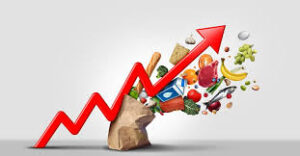
- Groceries: A loaf of bread that used to cost £1.00 now costs £1.30.
- Fuel Prices: Rising oil prices push up transport costs, which then affect product pricing.
- Wages: If salaries don’t keep up with inflation, your real income drops.
- Savings: Money sitting in your bank account loses value over time if interest earned is less than inflation.
- Rent and Housing: Property prices and rental rates often rise with inflation, making housing less affordable.
Inflation and Interest Rates: A Delicate Balance
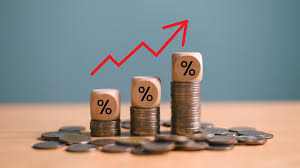
Central banks, such as the Bank of England or the U.S. Federal Reserve, often try to manage inflation by adjusting interest rates. When inflation rises too fast, they increase interest rates to cool spending and borrowing. Conversely, if inflation is too low, they may lower rates to stimulate economic growth.
This relationship is a critical part of modern monetary policy and affects everything from mortgage rates to credit card interest.
Is Inflation Always Bad?
Not necessarily. A moderate level of inflation is actually a sign of a healthy economy. It encourages spending and investment, as people are more likely to buy now rather than wait for prices to rise further. It also allows businesses to adjust wages and prices gradually.
However, when inflation becomes too high or too unpredictable, it can erode consumer confidence, discourage investment, and lead to long-term economic instability.
How to Protect Yourself from Inflation
Even though you can’t stop inflation, you can prepare for it. Here are a few practical tips:
- Invest in Inflation-Resistant Assets
Consider stocks, real estate, commodities like gold, or Treasury Inflation-Protected Securities (TIPS). - Boost Your Income
Look for side gigs, upskill for higher-paying roles, or start a small business. - Cut Unnecessary Expenses
Inflation often forces people to review their budgets and make smarter spending choices. - Negotiate Raises
Make sure your salary keeps pace with inflation by regularly assessing your market value. - Consider Index-Linked Investments
Pensions and savings accounts that are linked to inflation can help preserve purchasing power.
Global Inflation Trends in 2024
Following the post-pandemic economic recovery and geopolitical tensions in Europe and the Middle East, inflation spiked worldwide. Countries like the UK, USA, and Canada experienced inflation rates well above the historical average, leading to rising interest rates and concerns about a potential recession.
While inflation has started to cool in some regions, food and energy prices remain volatile, and many households continue to feel the pressure.
Conclusion: Why Inflation Matters
Understanding inflation is essential for making informed financial decisions. Whether you’re managing a household budget, planning for retirement, or running a business, inflation impacts your ability to save, spend, and invest wisely.
By staying informed and proactive, you can reduce the negative effects of inflation and make smarter choices that secure your financial future—even in uncertain economic times.
Frequently Asked Questions about Inflation
Q: What is a good inflation rate?
A: Central banks usually aim for a 2% annual inflation rate, considered healthy for economic growth.
Q: How does inflation affect loans?
A: Inflation can benefit borrowers by reducing the real value of debt over time, but rising interest rates may increase monthly payments on variable-rate loans.
Q: Can inflation be negative?
A: Yes, this is called deflation. While it might seem good, deflation can lead to reduced spending, lower wages, and a slowing economy.
Final Word
Inflation may seem like an abstract economic concept, but its impact on daily life is very real. By understanding how it works and preparing accordingly, you can navigate rising costs with confidence and protect your financial well-being.
Would you like this turned into a Google Web Story or a newsletter as well?
