
Lithium: The Essential Element Powering Our Future
In today’s world of renewable energy, electric vehicles, and portable electronics, lithium has emerged as one of the most important elements on the planet. Often referred to as “white gold,” lithium plays a crucial role in battery technology and the transition to a greener future. In this article, we explore what lithium is, its uses, environmental impacts, and why demand for it is skyrocketing globally.

What Is Lithium?
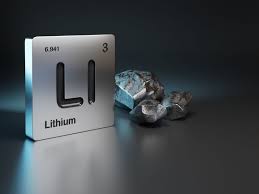
Lithium is a soft, silvery-white alkali metal that occurs naturally in trace amounts across the Earth’s crust. It is the lightest metal and has high electrochemical potential, which makes it ideal for energy storage solutions. While lithium was first discovered in the early 19th century, its real value has come to light only in recent decades due to advancements in technology and the push for sustainability.
Major Uses of Lithium in Modern Life
The primary use of lithium today is in rechargeable lithium-ion batteries, which power:
- Smartphones
- Laptops
- Electric vehicles (EVs)
- Renewable energy storage systems
- Medical devices
But lithium isn’t just limited to batteries. It is also used in:
- Ceramics and glass: to improve heat resistance
- Lubricating greases: used in aircraft and heavy machinery
- Pharmaceuticals: lithium compounds help treat bipolar disorder and depression
This versatility makes lithium one of the most sought-after materials in the tech and industrial sectors.
Lithium and the Electric Vehicle Revolution
One of the most significant drivers of lithium demand is the electric vehicle (EV) industry. Companies like Tesla, BYD, and other global automakers are investing billions to scale EV production, and lithium-ion batteries are the backbone of these efforts.
Each EV requires between 10 to 20 kilograms of lithium, depending on battery size. As countries push to phase out internal combustion engines and embrace greener transportation alternatives, lithium becomes not just important—but essential.
According to the International Energy Agency (IEA), global lithium demand could increase 40-fold by 2040 if clean energy goals are met.
Lithium Production: Top Producing Countries
Lithium is extracted either through hard rock mining or brine extraction from salt flats. The leading producers of lithium today are:
- Australia – the top global producer, known for hard-rock lithium mining
- Chile – with vast salt flats, it extracts lithium from underground brine pools
- China – a major player in both production and battery manufacturing
- Argentina – part of the “Lithium Triangle” along with Bolivia and Chile
- United States – lithium production is rising, especially in Nevada
Each method of extraction comes with its own set of economic and environmental trade-offs.
Environmental Impact of Lithium Mining
While lithium is vital for clean energy, its extraction is not without environmental costs. Especially in South American salt flats, lithium extraction from brine can consume millions of liters of water, potentially affecting local communities and ecosystems.
Hard-rock mining, on the other hand, requires extensive land disruption and energy use. Critics argue that if lithium mining isn’t managed responsibly, it could undermine the very sustainability goals it aims to support.
Efforts are underway to improve sustainable lithium mining, including recycling old batteries and using alternative sources such as geothermal brine.
Lithium Recycling: A Critical Future Step
As lithium demand grows, so does the need to recycle it efficiently. Currently, less than 5% of lithium-ion batteries are recycled globally. Recycling reduces the need for raw material extraction and helps limit environmental damage.
Innovative companies and governments are now focusing on “urban mining,” recovering lithium and other valuable metals from used electronics and EV batteries. If widely adopted, lithium recycling could significantly ease future supply concerns.
Lithium Prices and Market Trends
Lithium prices have experienced dramatic fluctuations in recent years. As demand surged, prices soared in 2021 and 2022. However, oversupply and slowing EV sales in some markets have led to a correction in 2023 and 2024.
Despite short-term volatility, the long-term outlook for lithium remains bullish, driven by global clean energy commitments and digitalization trends.
Investing in Lithium: What You Should Know
Many investors are eyeing lithium as a promising commodity. You can invest in:
- Lithium mining companies like Albemarle, SQM, or Pilbara Minerals
- Exchange-traded funds (ETFs) focused on battery metals
- EV manufacturers that rely heavily on lithium supplies
However, it’s essential to understand that lithium investing comes with risks tied to global policy changes, technological innovations, and market cycles.
The Future of Lithium: Opportunities and Challenges
The global race for lithium has only just begun. With innovations in solid-state batteries, lithium-sulfur batteries, and more sustainable mining practices, the landscape is expected to evolve rapidly.
However, geopolitical tensions, environmental concerns, and supply chain challenges could pose significant hurdles.
Ultimately, lithium’s future depends on how the world balances technological progress with environmental responsibility. Governments, industries, and consumers will all play a role in shaping that balance.
Conclusion: Why Lithium Matters More Than Ever
From powering your phone to accelerating the shift to electric mobility, lithium is at the heart of modern innovation. As a critical resource for the clean energy revolution, its importance will only grow in the coming years.
Whether you’re an investor, environmentalist, policymaker, or simply someone curious about the world, understanding lithium is key to understanding our energy future.
SEO Meta Description:
Discover why lithium is the most important element in today’s tech and energy world. Learn about its uses, benefits, environmental impacts, and market trends in this in-depth 1000-word guide.
Let me know if you’d like this article formatted for WordPress, or turned into a Google Web Story, infographic, or slideshow.
