
Michael Wolff – The Man Who Exposed Behind-the-Scenes Power
Introduction
If you’ve ever wondered what really goes on inside the rooms where big decisions are made—who whispers to whom, who controls the narrative, and who’s shaping public opinion—you’ve met the terrain of Michael Wolff. From media moguls to political dynasties, Wolff has made a career of peeling back the curtain. And today, we’re going to dive deep into Michael Wolff: his rise, his style, his controversies—and why he continues to be a lightning rod in global media.
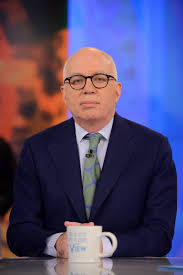
1. From Humble Beginnings to Media Maverick
Michael Wolff was born in 1953 in Paterson, New Jersey. (Wikipedia) He studied at Columbia University, and early in his career found his footing in journalism and media commentary. (Wikipedia)
He rose through the ranks, contributing to magazines like Vanity Fair, New Yorker, The Guardian, and launching the news aggregator site Newser. (Penguin Random House)
This background gave him a unique vantage point: not just reporting news, but analysing the architecture of power—how media, politics and money intersect.
2. The Big Break – Books that Shook the White House
Wolff’s breakout moment came when he published the explosive bestseller Fire and Fury: Inside the Trump White House (2018). (Wikipedia) The book depicted alleged chaos, infighting and unconventional behaviour inside the administration of then-President Donald Trump.
That book went on to become a global sensation, partly because of its timing and partly because of its raw, behind-the-scenes tone. In the wake of that success, Wolff published follow-ups: **Siege: Trump Under Fire (2019), **Landslide: The Final Days of the Trump Presidency (2021), and **All or Nothing: How Trump Recaptured America (2025). (Wikipedia)
3. Style & Substance – Why His Work Stands Out
a) Access & Narrative
Wolff’s forte is telling a story with characters, conflict, and drama. He often claims extensive interviews and insider access, which gives his books a cinematic feel.
b) Controversy as a Tool
He doesn’t shy away from bold claims. That makes his work polarizing—but also propulsive. Whether you agree with him or not, you talk about him.
c) Media Savvy
Wolff understands the modern media landscape. He knows what grabs attention—and how to get his work into conversation, which amplifies his reach (and impact).
4. Key Works & What They Reveal
- Burn Rate (1998) — A look at the dot-com boom and his own misadventures as a start-up founder. (Wikipedia)
- The Man Who Owns the News (2008) — A penetrating profile of media tycoon Rupert Murdoch and his empire. (Tradebooks for Courses)
- Fire and Fury (2018) & Beyond — These books document the Trump era from Wolff’s vantage point: power, chaos, spectacle.
5. Criticism & Controversy
No figure with such exposure goes untouched. Wolff has been criticised for:
- Accuracy questions: Some journalists and critics argue that his sourcing or factual claims are patchy. (The Guardian)
- Ethical concerns: His proximity to the stories he tells raises questions about objectivity. For instance, some Reddit threads suggest:
“Wolff is a sensory that will embellish and project to promote controversy…” (Reddit)
- Legal entanglements: Recently, Wolff has been embroiled in a lawsuit involving Melania Trump and alleged threats of legal action. (mint)
6. Why His Work Still Matters in 2025
Even as media landscapes evolve and scandals fade, Wolff’s approach remains relevant for several reasons:
- Power & transparency: Whether one agrees with him or not, his books force us to ask: Who’s really in control?
- Media literacy: He’s a case study in how narratives are shaped, sold and consumed in our era.
- Global reach: His books find readers worldwide hungry for inside-stories of politics and power.
7. What You Can Learn (And How to Read His Work)
- Take it with a grain of salt: As you engage with his writing, be aware of narrative vs. fact-checking.
- Read between the lines: What’s included—and what’s omitted—can tell you a lot about how stories are constructed.
- Consider the source: Wolff’s perspective is shaped by his background and access; it is one perspective.
- Use his books as springboards: His storytelling can lead you to broader questions about media ecosystems, power dynamics, and why certain stories dominate public discourse.
8. Quick Facts At-a-Glance
- Born August 27, 1953, in Paterson, New Jersey. (Wikipedia)
- Two-time National Magazine Award winner. (Penguin Random House)
- Lives in New York City. (Simon & Schuster)
- Has written multiple bestsellers, spanning media, technology and politics.
Conclusion – The Impact of Michael Wolff
Michael Wolff may polarise readers, but he undeniably shapes conversations. Whether you view him as a fearless exposer or a sensationalist provocateur, his work underscores how journalism, access and narrative intertwine in our global media age. If you care about who tells the story and who profits from it, then Wolff—and the questions his work raises—are worth your time.
