The Future of the Chip Industry: How Tiny Tech is Powering a Trillion-Dollar Revolution
Introduction: Why “Chip” Is the Word Defining Our Digital Age
In today’s world, the word chip no longer just refers to something you eat—it represents the invisible powerhouse driving every device we rely on. From smartphones and laptops to electric vehicles and artificial intelligence, chips are the silent engines of the digital revolution. As technology races forward, the global chip industry is experiencing unprecedented growth, with experts predicting it could soon surpass $1 trillion in market value.
This article dives deep into what makes chips so crucial, how they are transforming industries, and why investing in chip technology might be one of the smartest moves in the coming decade.
What Is a Chip and Why Is It So Important?
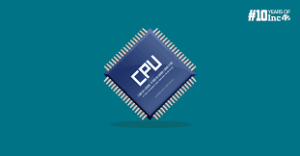
A chip, also known as a semiconductor, is a small piece of silicon embedded with millions (or even billions) of microscopic transistors. These transistors act as switches that process information at lightning speed. Every modern gadget you own—whether it’s your smartwatch, car, or gaming console—depends on chips to function.
Without chips, there would be no computers, no internet, no artificial intelligence, and certainly no smartphones. They are, quite literally, the brain behind every piece of technology.
The Evolution of the Chip: From Microprocessors to AI Engines
The journey of the chip began in the 1960s with simple integrated circuits. Over time, these circuits evolved into microprocessors, powering the first personal computers. Fast forward to today, and we have AI-driven chips capable of running complex algorithms, recognizing speech, and even generating art.
Companies like NVIDIA, Intel, AMD, and TSMC are leading this innovation wave. NVIDIA, for example, dominates the AI chip market, while Taiwan Semiconductor Manufacturing Company (TSMC) is the world’s largest chip maker, producing semiconductors for tech giants like Apple and Qualcomm.
The Global Chip Shortage: A Wake-Up Call for the World
Remember the global chip shortage of 2021–2023? It exposed how deeply dependent the world has become on semiconductor manufacturing. Car companies couldn’t produce vehicles, smartphone launches were delayed, and even gaming consoles went out of stock.
The shortage highlighted the importance of chip supply chains and triggered countries like the United States, China, and South Korea to invest billions in local chip production. The U.S. government’s CHIPS and Science Act aims to bring semiconductor manufacturing back to American soil, reducing reliance on Asian suppliers.
Chips Powering the Future: AI, EVs, and Quantum Computing
The demand for chips is skyrocketing thanks to three booming sectors:
- Artificial Intelligence (AI):
AI requires massive computational power, which means more advanced chips. AI chips can handle tasks like deep learning, natural language processing, and image recognition at remarkable speeds. - Electric Vehicles (EVs):
Modern EVs are loaded with chips—handling everything from battery management and infotainment systems to autonomous driving capabilities. Companies like Tesla and BYD are pushing chip performance to new limits. - Quantum Computing:
Quantum chips are the next frontier. Instead of using bits (0s and 1s), they use qubits, allowing them to perform complex calculations faster than any traditional computer could imagine.
Investing in Chips: Why This Industry Is a Goldmine
If you’re looking for long-term investment opportunities, the chip industry is one of the most promising sectors to explore. With AI, 5G, robotics, and the Internet of Things (IoT) expanding rapidly, chip demand will only grow.
Tech giants like NVIDIA, TSMC, and ASML have already seen massive stock gains, but smaller startups in chip design and material innovation are also emerging as major players. Analysts predict that by 2030, global semiconductor revenues could exceed $1 trillion annually.
Challenges the Chip Industry Faces
Despite its success, the chip industry isn’t without hurdles. Some of the key challenges include:
- High Manufacturing Costs: Building a new semiconductor plant can cost up to $20 billion.
- Geopolitical Tensions: Trade restrictions between the U.S. and China threaten global chip supply stability.
- Environmental Concerns: Chip manufacturing consumes large amounts of water and energy, raising sustainability issues.
To tackle these, companies are investing in green chip production—using renewable energy and recycling water to make manufacturing eco-friendly.
The Rise of AI Chips: The New Silicon Gold Rush
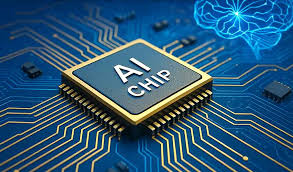
The real buzz in the tech world right now is around AI-specific chips. These are designed to accelerate machine learning and data processing. NVIDIA’s H100 and Google’s TPU (Tensor Processing Unit) are examples of groundbreaking innovation in this space.
In fact, AI chips are expected to grow into a $300 billion market by 2030, as industries from healthcare to finance adopt artificial intelligence for automation and analytics.
How Chips Affect Everyday Life
You might not realize it, but chips touch nearly every aspect of your daily routine:
- Smartphones: Every tap and swipe is powered by tiny chips.
- Cars: Chips control your airbags, navigation, and parking sensors.
- Home Devices: From smart TVs to washing machines, chips make appliances smarter and more energy-efficient.
- Healthcare: Medical devices use chips for monitoring and diagnostics, saving millions of lives.
Simply put, life without chips is unimaginable in the 21st century.
Conclusion: The Chip Industry Is the Beating Heart of Modern Innovation
As technology continues to evolve, the humble chip remains at the center of it all. It’s more than just a piece of silicon—it’s the foundation of our digital lives, driving the next generation of innovation, sustainability, and intelligence.
The chip industry isn’t just powering devices; it’s powering dreams, economies, and the future itself. Whether you’re a tech enthusiast, investor, or casual consumer, one thing is clear—understanding the chip means understanding the future.
SEO Keywords for High CPC & Google Ranking:
chip industry, semiconductor news, AI chips, global chip shortage, best chip stocks, TSMC, NVIDIA chip technology, chip manufacturing, future of semiconductors, chip market growth
