
Cancer Screening: Early Detection That Can Save Lives
Cancer screening has become one of the most powerful tools in modern healthcare. With cancer remaining a leading cause of death worldwide, early detection through proper screening can make a life-changing difference. When cancer is found early—often before symptoms appear—treatment is usually more effective, less invasive, and significantly improves survival rates.
In this in-depth guide, we’ll explore what cancer screening is, why it matters, the most common types, who should get screened, and how regular screening can protect not only your health but also your future.

What Is Cancer Screening?
Cancer screening refers to medical tests and examinations used to detect cancer in people who do not yet show any symptoms. The goal is simple: find cancer early, when it is most treatable.
Unlike diagnostic tests that are done after symptoms appear, screening is proactive. It helps identify abnormal changes or early-stage cancers before they become advanced or life-threatening.
Why Cancer Screening Is So Important
Early detection saves lives. Many cancers grow slowly and may not cause noticeable symptoms until they reach advanced stages. Cancer screening helps bridge that gap.
Key Benefits of Cancer Screening
- Higher survival rates due to early detection
- More treatment options with fewer side effects
- Lower healthcare costs over time
- Peace of mind through regular health monitoring
For example, cancers such as breast, cervical, colorectal, and prostate cancer have significantly better outcomes when detected early through routine screening.
Common Types of Cancer Screening
Different cancers require different screening methods. Below are some of the most widely recommended cancer screening tests.
1. Breast Cancer Screening
- Mammograms are the gold standard
- Recommended for women starting from age 40–50, depending on risk factors
- Helps detect tumors before they can be felt
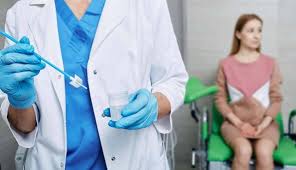
2. Cervical Cancer Screening
- Pap smear and HPV testing
- Detects precancerous changes in cervical cells
- One of the most preventable cancers with regular screening
3. Colorectal Cancer Screening
- Colonoscopy, FIT tests, or stool DNA tests
- Recommended for adults aged 45 and older
- Can detect and remove precancerous polyps
4. Prostate Cancer Screening
- PSA (Prostate-Specific Antigen) blood test
- Screening decisions should be made after discussing risks and benefits with a doctor
5. Lung Cancer Screening
- Low-dose CT scans
- Recommended for long-term smokers or former smokers
- Proven to reduce lung cancer deaths in high-risk individuals
6. Skin Cancer Screening
- Visual skin exams by a healthcare provider
- Self-examinations are also important for early detection
Who Should Get Cancer Screening?
Cancer screening guidelines vary depending on age, gender, family history, lifestyle, and genetic factors.
You May Need Earlier or More Frequent Screening If You:
- Have a family history of cancer
- Smoke or have smoked in the past
- Are overweight or physically inactive
- Have been exposed to harmful chemicals or radiation
- Carry certain genetic mutations
A personalized screening plan created with your healthcare provider is the best approach.
Cancer Screening and High-Risk Groups
People at high risk for cancer benefit the most from regular screening. Genetic testing and advanced imaging have made it easier to identify individuals who need closer monitoring.
High-risk screening programs can detect cancer at its earliest and most treatable stage, often before it spreads.
Are There Any Risks to Cancer Screening?
While cancer screening has clear benefits, it’s important to understand potential risks:
- False positives that lead to unnecessary tests
- False negatives that may delay diagnosis
- Overdiagnosis, especially for slow-growing cancers
This is why informed decision-making and professional guidance are essential.
How Often Should You Get Screened?
There is no one-size-fits-all answer. Screening frequency depends on:
- Age
- Personal health history
- Family history
- Type of cancer
For example:
- Mammograms: every 1–2 years
- Colonoscopy: every 10 years (if results are normal)
- Pap tests: every 3–5 years
Always follow your doctor’s recommendations for the most accurate schedule.
The Role of Technology in Cancer Screening
Advances in medical technology are transforming cancer screening. Artificial intelligence, improved imaging, and molecular testing are making screening more accurate and accessible than ever before.
These innovations help detect cancer earlier, reduce errors, and personalize screening strategies for better outcomes.
Cancer Screening and Prevention Go Hand in Hand
While cancer screening does not prevent cancer, it works best alongside healthy lifestyle choices, including:
- Balanced nutrition
- Regular physical activity
- Avoiding tobacco
- Limiting alcohol consumption
- Managing stress
Together, prevention and screening form a powerful defense against cancer.
Breaking the Fear Around Cancer Screening
Many people delay cancer screening due to fear, anxiety, or misinformation. However, avoiding screening often leads to late diagnosis, when treatment becomes more difficult.
Screening tests are usually quick, safe, and can provide reassurance. Taking that first step can truly save your life.
Final Thoughts: Make Cancer Screening a Priority
Cancer screening is not just a medical test—it’s an investment in your health, your family, and your future. Early detection gives you options, time, and hope.
If you haven’t discussed cancer screening with your healthcare provider yet, now is the right time. Staying informed and proactive is the smartest way to protect yourself against one of the world’s most serious diseases.
Remember: early detection through cancer screening saves lives. Don’t wait—take action today.
