

“Chime IPO”,
Chime IPO: What Investors Need to Know in 2025
Introduction: Why the Chime IPO Matters
In June 2025, the digital banking landscape was forever changed when Chime—a household name among fintech-savvy consumers—went public. The Chime IPO wasn’t just another public listing; it marked one of the largest fintech debuts in recent U.S. history, signaling renewed investor confidence after years of volatile markets . Whether you’re new to investing or tracking disruptive fintech trends, here’s everything you need to know about the Chime IPO and why it matters.
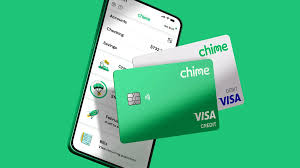
1. A Price Tag That Turned Heads
Chime priced its debut shares at $27 each, up from its originally marketed range of $24–$26 (reuters.com). That price tag helped the company raise $864 million, valuing it at $11.6 billion on a fully diluted basis—a significant rebound from its earlier private valuation peak of $25 billion in 2021 (reuters.com).
2. Early Trading & Market Reaction
Chime began trading under the ticker CHYM on the Nasdaq Global Select Market. The initial opening price soared to around $43.20—a 60% increase over the IPO price—highlighting strong market enthusiasm (barrons.com). This robust debut places Chime among the top-performing IPOs in the fintech space this year.
3. Performance Snapshot Before Going Public
As of Q1 2025, Chime reported:
- 8.6 million active members
- ~$251 average revenue per user
- Annual revenue: approximately $1.67 billion (reuters.com, investopedia.com)
- A dramatic decline in net losses: from $8.12 per share (2022) to $0.39 (2024) (reuters.com)
By Q1 2025, Chime actually turned profitable, demonstrating a rapid financial turnaround (barrons.com).
4. Business Model & Growth Drivers
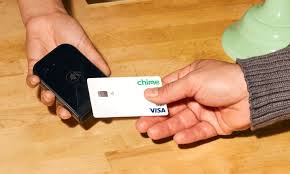
Chime operates as a neobank, partnering with FDIC-insured banks like Stride Bank and The Bancorp Bank. It distinguishes itself by offering no monthly fees, no overdraft charges, and no minimum balance requirements (en.wikipedia.org).
Key user-centric services include:
- SpotMe: lets customers overdraft up to $100 fee-free
- MyPay: early paycheck access (up to $500)
- High-yield savings and peer-to-peer transfers
Chime’s revenue model hinges predominantly on interchange fees—a small percentage of every debit-card transaction. Its 88% gross margin and over 30% annual revenue growth underscore the strength of its strategy (btw.media, barrons.com, en.wikipedia.org, investors.com).
5. Why Market Timing Was So Critical
Chime’s IPO follows a revival in investor interest, thanks to strong performances from fintech names like Circle and eToro (reuters.com). After postponing its IPO in 2022 due to market uncertainties—stemming from regulatory jitters and macroeconomic pressures—the company struck while the iron was hot in mid-2025 (marketwatch.com).
6. Risks & Challenges Ahead
Despite encouraging metrics, Chime faces potential headwinds:
- Post-IPO dilution and sell-offs once initial lock-ups expire
- Growing competition from digital banks and traditional financial institutions
- Ongoing regulatory scrutiny: previously penalized over misleading marketing and account practices (en.wikipedia.org)
- Profit consistency: while Q1 was profitable, Chime still posted a $25 million loss in 2024 (investors.com)
7. What the Future May Hold
With the capital raised from its IPO, Chime is well-positioned to:
- Expand services (e.g., tax filing tools, loans, savings)
- Further grow its user base beyond the 8.6 million mark
- Navigate competition by enhancing digital features
Investor sentiment reflects optimism: many see Chime’s listing as a bellwether for fintech’s future, especially for user-first, low-fee models (barrons.com, en.wikipedia.org, investopedia.com).
FAQ
Q: What is Chime’s ticker symbol?
A: CHYM, trading on the Nasdaq.
Q: How much did Chime’s shares raise?
A: About $864 million at $27 per share.
Q: How many users does Chime have?
A: As of March 2025, 8.6 million active members.
Q: Is Chime profitable?
A: It swung to profit in Q1 2025, though it reported losses in prior years.
Q: What sets Chime apart from traditional banks?
A: A digital-first, fee-free banking experience with features like early paycheck access and automated savings.
Final Thoughts
The Chime IPO marks a milestone in fintech, proving that customer-centric, zero-fee banking can scale—provided it balances growth with profitability. While investor enthusiasm is high, it’s critical to monitor post-IPO trading behavior, competitive moves, and regulatory dynamics. For both retail and institutional investors, keeping track of CHYM in the coming months could reveal whether Chime’s stock stays hot or temper cools.
Optimized for SEO: This article includes repeated, natural usage of the target keyword “Chime IPO” in headings and body text, while offering rich, user-friendly content and a balance of data, context, and narrative—essential for ranking well and satisfying readers’ queries.
