

“Airbus”,
Airbus: Revolutionizing the Future of Aviation
When you hear the word Airbus, you immediately think of cutting-edge aircraft, global air travel, and groundbreaking aerospace technology. As one of the world’s leading aircraft manufacturers, Airbus has not only shaped modern aviation but continues to influence its future. This article dives deep into what makes Airbus a global leader, how it began, what innovations it’s driving, and why it matters more than ever in today’s world.
The Origins of Airbus: A Vision Takes Flight
Airbus was founded in 1970 as a consortium of European aerospace manufacturers. Back then, the aviation market was dominated by American giants like Boeing, Lockheed, and McDonnell Douglas. Europe needed a unified force to compete—and thus, Airbus was born.
Initially a partnership between France’s Aérospatiale and Germany’s Deutsche Airbus, the company’s first commercial aircraft, the Airbus A300, was introduced in 1972. It was the world’s first twin-engine widebody jet, a move that would set Airbus apart in a fiercely competitive industry.
Airbus Today: A Global Aviation Powerhouse
Fast forward to today, Airbus is a multi-national corporation headquartered in Toulouse, France, with facilities and employees spread across the globe. It has grown into a massive enterprise with three key divisions:
- Commercial Aircraft
- Helicopters
- Defence and Space
The company competes head-to-head with Boeing, particularly in the commercial aircraft sector. In fact, some of its aircraft, like the Airbus A320 and Airbus A350, are among the most popular models in the world.
Key Innovations by Airbus
Airbus isn’t just known for building planes; it’s known for pushing the limits of what’s possible in aviation. Here are a few innovations that highlight Airbus’s technological edge:
1. Fly-by-Wire Technology
Airbus was the first to introduce fly-by-wire systems in commercial aircraft, starting with the A320. This technology replaced traditional manual controls with an electronic interface, improving safety and fuel efficiency.
2. Composite Materials
With aircraft like the A350 XWB, Airbus incorporated more than 50% composite materials, drastically reducing the weight of the plane while increasing durability and fuel efficiency.
3. Quiet, Fuel-Efficient Engines
Airbus has worked closely with engine manufacturers to reduce noise pollution and carbon emissions. Models like the A320neo (New Engine Option) boast a 15-20% improvement in fuel efficiency.

Airbus and Sustainability: Leading the Green Flight
Environmental responsibility is no longer optional, and Airbus is taking this challenge seriously. Its ambitious ZEROe program aims to launch the world’s first zero-emission commercial aircraft by 2035. This isn’t just a marketing gimmick—Airbus is investing heavily in hydrogen technology and sustainable aviation fuel (SAF).
Additionally, the company is constantly working on:
- Reducing CO₂ emissions per passenger
- Using lighter materials
- Enhancing aerodynamics
- Partnering with airlines and governments on green aviation strategies
Popular Airbus Models and Their Impact
Some of the world’s most iconic and widely-used aircraft come from the Airbus production line. Let’s take a look at a few standout models:
1. Airbus A320 Family
The backbone of short and medium-haul travel worldwide, the A320 family has revolutionized airline economics. Its fuel efficiency, comfort, and reliability make it a favorite for carriers and passengers alike.
2. Airbus A350 XWB
Designed for long-haul travel, the A350 is known for its cutting-edge aerodynamics, advanced materials, and ultra-modern passenger experience. It’s also one of the most fuel-efficient aircraft in the sky.
3. Airbus A380
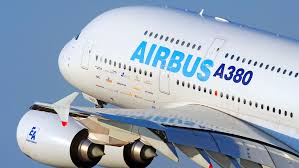
The double-decker Airbus A380 is the largest passenger plane ever built. Though production ended in 2021 due to shifting market demands, the A380 remains a symbol of engineering marvel and luxury in the sky.
Airbus Helicopters: Flying Beyond Fixed Wings
While the Airbus name is often associated with jets, its Helicopter division is a major player in the rotorcraft world. With models like the H145 and H160, Airbus Helicopters serves vital roles in emergency services, search and rescue, corporate travel, and military operations.
Defense and Space: Reaching Beyond the Atmosphere
Airbus is not confined to Earth’s atmosphere. Its Defence and Space division plays a crucial role in space exploration, satellite systems, and military aircraft like the A400M Atlas. Airbus is also a key contributor to the Ariane rocket program and the Galileo navigation system—Europe’s answer to GPS.
Airbus vs Boeing: A Friendly Rivalry
No article on Airbus is complete without mentioning its ongoing rivalry with Boeing. While both companies compete fiercely in the commercial aircraft market, each has its strengths.
- Airbus is often praised for cabin comfort and fuel-efficient technology.
- Boeing tends to dominate the long-haul widebody segment (though Airbus is closing that gap with the A350).
The competition between these two giants pushes the boundaries of innovation, safety, and efficiency in global aviation.
Airbus and the Future of Air Travel
Looking ahead, Airbus has its sights set on more than just dominating the skies—it wants to transform them. The company’s focus areas include:
- Urban Air Mobility (UAM): Think flying taxis and drone deliveries.
- Autonomous Flight: Reducing pilot workload and increasing safety.
- Digital Twins and AI: Using advanced simulation for predictive maintenance and design.
Airbus is working with governments, airlines, and tech companies to make the future of flying smarter, safer, and greener.
Conclusion: Why Airbus Matters
Whether you’re flying across continents or catching a short domestic flight, there’s a good chance you’re on an Airbus aircraft. The company has evolved from a European startup to a global aviation powerhouse with a clear focus on innovation, safety, and sustainability.
As the world shifts toward greener technologies and smarter mobility, Airbus is not just keeping up—it’s leading the way. So, next time you board a plane, look up at that wingtip—there’s a story of decades of innovation soaring beside you.
