
Gen Z Years: A Complete Guide to the Generation Shaping Our Future
Introduction to Gen Z Years
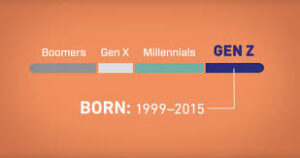
The term “Gen Z years” refers to the range of birth years that define Generation Z, the generation following Millennials. Gen Z, also known as Zoomers, includes individuals born from 1997 to 2012 (though some sources stretch this to 2010 or 2013). Understanding this generation—its traits, influences, and cultural context—is essential, especially as Gen Z becomes the largest cohort in both the workforce and consumer market.
This article explores everything you need to know about the Gen Z years, their identity, the events that shaped them, and what makes them stand apart from generations before.
What Are the Gen Z Years?
Gen Z birth years typically span from 1997 to 2012, though there’s some debate among researchers. What’s more important than the specific range is the shared experiences that define this generation.
- 1997–1999: The first wave of Gen Z. These individuals grew up during the dot-com boom, the post-9/11 world, and the financial crisis of 2008. They were the first to experience the rise of social media.
- 2000–2006: This group witnessed the explosion of smartphones, the normalization of streaming, and the beginning of AI-powered life (Siri, Google Assistant, etc.).
- 2007–2012: The digital natives. Most of these Gen Zers don’t remember a world without smartphones, apps, and on-demand content. Many were too young to be affected deeply by 9/11 or the 2008 crash, but COVID-19 left a major impact.
What Defines Gen Z?
Understanding the Gen Z years also means understanding what shaped this generation psychologically, culturally, and technologically. Here are some defining traits:
1. Digital Natives
Gen Z is the first generation born into a fully digital world. Most Gen Zers had access to the internet, smartphones, and apps from a very young age. This exposure has drastically shaped their learning styles, communication habits, and even attention spans.
2. Socially Conscious
From climate change and racial equality to LGBTQ+ rights and mental health awareness, Gen Z is known for being highly engaged in social issues. They value authenticity, inclusion, and purpose over profit.
3. Diverse and Inclusive
Gen Z is the most racially and ethnically diverse generation in history, especially in countries like the U.S., U.K., and Canada. They expect brands, employers, and media to reflect that diversity.
4. Entrepreneurial Spirit
Unlike previous generations, many Gen Zers dream of starting their own business or being freelancers. Thanks to platforms like TikTok, YouTube, and Instagram, many are building brands from their bedrooms.

Major Events That Shaped Gen Z Years
Several key events left a lasting impact on Gen Z during their formative years:
- 9/11 and its Aftermath (1997–2003 cohort)
- The 2008 Financial Crisis: Many Gen Z kids saw their parents struggle, making them more financially cautious.
- The Rise of Social Media: From Facebook to TikTok, Gen Z witnessed the evolution of online interaction.
- COVID-19 Pandemic: Perhaps the most defining event for the younger half of Gen Z. School closures, virtual learning, and the mental health toll shaped their worldview dramatically.
- Global Climate Crisis: Gen Z has been raised with an acute awareness of environmental issues and the need for urgent action.
Gen Z vs. Millennials: What’s the Difference?
Though they’re close in age, Gen Z and Millennials have stark differences.
| Trait | Millennials (1981–1996) | Gen Z (1997–2012) |
|---|---|---|
| Technology Exposure | Grew up during the rise of tech | Born into a tech world |
| Communication | Prefer texts and emails | Prefer memes, videos, DMs |
| Social Media | Facebook, Instagram | TikTok, Snapchat |
| Worldview | Optimistic, idealistic | Realistic, pragmatic |
| Work Preference | Structured roles, 9–5 jobs | Freelance, remote, flexible |
Gen Z in the Workplace
As Gen Zers enter the job market, they’re bringing new expectations and skills. Employers need to understand these changes:
- Remote work is not just a benefit, it’s a norm.
- Work-life balance and mental health are top priorities.
- They value companies that take a stand on social issues.
- Digital fluency means Gen Z adapts quickly to new tools and trends.
The Buying Power of Gen Z
Marketers are paying close attention to Gen Z years because this generation has enormous buying power, directly and through influence on family decisions. Some insights:
- Mobile-first consumers: Gen Z prefers shopping through apps and mobile-friendly platforms.
- Values over brand names: They support brands with ethical practices.
- Short attention spans: You have just a few seconds to grab their attention—think reels, stories, and TikToks.
Gen Z’s Approach to Education and Learning
Traditional education systems are being challenged by Gen Z’s learning styles:
- Prefer bite-sized content (YouTube tutorials, TikToks).
- Self-taught skills are common—coding, design, and even marketing.
- Expect interactivity: gamified apps, VR-based learning, and AI tutors.
Challenges Faced by Gen Z
Despite their strengths, Gen Z also faces unique challenges:
- Mental health issues are rising, largely due to online comparison, isolation, and academic pressure.
- Information overload: Constant connectivity can lead to burnout and anxiety.
- Job instability: The gig economy is flexible but lacks job security.
Final Thoughts on Gen Z Years
The Gen Z years mark more than just a range of birthdates—they define a transformative period in human development. This generation is more connected, more conscious, and more capable of adapting than any before it. Whether you’re a brand, employer, parent, or educator, understanding Gen Z is essential for navigating the present and future.
They may be young, but Gen Z is already shaping politics, culture, economy, and technology. The coming years will only see their influence grow. Stay ahead by recognizing the values, struggles, and strengths of this remarkable generation.
SEO Tip: This article naturally integrates the keyword “Gen Z years” while providing genuine value to readers. It balances facts, comparisons, and cultural insights, making it both reader-friendly and search-engine optimized.
