Government Shutdown: What You Need to Know — and Why It Matters Right Now 🚨
A government shutdown is more than just a buzz-word headline. It’s a major political and economic event that directly affects millions — including you. Understanding what a shutdown means, why it happens, and how it could impact everyday life can help you prepare and react. Let’s dive deep into the realities of a shutdown in clear, straightforward language.
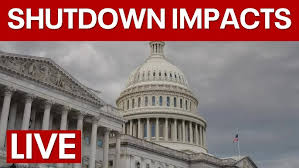
What Exactly Is a Government Shutdown?
A government shutdown occurs when the government cannot pass or receive approval for the funding it needs to operate. In the U.S. context, it means that Congress has failed to pass the necessary appropriations bills (or a temporary funding (continuing) resolution) before the fiscal year ends — and the president either hasn’t signed or won’t sign the bill. (USAFacts)
When that happens:
- Federal agencies that rely on discretionary funding must halt or severely scale back operations. (Wikipedia)
- Many employees get furloughed (sent home without pay), while certain “essential” workers continue working, often without pay until funding is restored. (Al Jazeera)
- Services, programs and benefits that rely on that annual funding can be delayed or suspended altogether. (Congressman Greg Stanton)
In a nutshell: no approved budget = many government operations stop.
Why Do Government Shutdowns Happen?
There are political, structural, and legal reasons. Here are the key drivers:
1. Budget Gridlock
Congress is tasked with passing multiple spending bills (often 12 main appropriations bills) each fiscal year. If they don’t finish them (or pass a stopgap measure), funding lapses. (Brookings)
2. Political Strategy and Bargaining
Often one party or a faction uses the threat of a shutdown as leverage in negotiations. They may demand policy changes (e.g., on healthcare, immigration, earmarks) as part of the funding deal. (Al Jazeera)
3. The Legal Basis
Under the Antideficiency Act, federal agencies cannot obligate or spend funds without Congressional appropriation. That makes a shutdown legally required when funding bills lapse. (Brookings)
What Happens During a Shutdown?
Here’s a closer look at the effects — both immediate and longer-term.
Immediate Impacts
- Non-essential federal employees are furloughed; essential personnel (like air traffic controllers, border patrol, military) work without pay until Congress acts. (Al Jazeera)
- Many federal services go into pause mode: permit processing, new loan approvals, tourism of national monuments may stop. (Congressman Greg Stanton)
- Some programs funded via mandatory spending (e.g., Social Security, Medicare) generally continue — because their funding doesn’t depend on annual appropriations. (Al Jazeera)
Broader Effects
- Delays in services and benefits: new applications may stall, government support programs could pause. (Congressman Greg Stanton)
- Economic consequences: reduced government spending, furloughed workers with no income, weaker demand. (Wikipedia)
- Political fallout: public trust may decline, and the “who is to blame” debate heats up. (PBS)
Why This Shutdown (2025) Is Especially Noteworthy
The most recent U.S. federal shutdown began October 1, 2025, after Congress failed to pass funding. (Al Jazeera)
Key details:
- Republicans and Democrats were unable to agree on competing stopgap funding bills, including demands around healthcare subsidies and Medicaid. (Al Jazeera)
- Estimates suggest up to 750,000 federal employees could be impacted (furloughed or working unpaid). (NCSL)
- Some federal agencies are already acting under contingency or “shutdown” plans. (Al Jazeera)
This is significant because of its scale, political context and economic backdrop.
Who Gets Affected & How — The Good, The Bad, and The Hidden
Let’s break down how different groups are impacted.
Federal Employees
- Furloughs mean no paychecks until funding resumes.
- Those still working may have to endure extended unpaid work (especially if deemed essential).
- While back-pay is generally required once the government reopens (under the Government Employee Fair Treatment Act of 2019), that doesn’t eliminate short-term hardship. (NCSL)
Public Services & Citizens
- Some services stop or slow: e.g., national park visitor centers close, new loan approvals may halt, certain regulatory or support programs may be delayed. (Congressman Greg Stanton)
- Others are mostly unaffected: Social Security benefits, Medicare payments, the postal service (which is fee-funded) continue. (Al Jazeera)
State & Local Governments
- States may need to pick up slack or face delays in federal funds. (NCSL)
- Programs that rely on federal agency action (permits, oversight, support) may be delayed, impacting business and local economies.
The Economy
- Every week of shutdown adds cost: less government spending, more uncertainty, reduced consumer confidence. Analysts estimate billions in lost output for prolonged shutdowns. (Wikipedia)
- Businesses that contract with or depend on federal support may get hit hard.
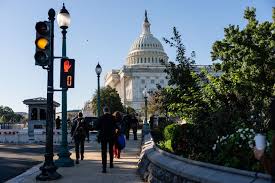
What You Should Do — Smart Tips to Prepare
If you live in the U.S. or rely on U.S.-federal government services in any way, here are actionable steps:
- Check your benefits and status. If you receive benefits, make sure you understand whether they’re mandatory or could be delayed.
- Budget for uncertainty. If you’re a federal employee or contractor, make sure you have some cash reserves in case pay is delayed.
- Monitor service statuses. For things like passport processing, loan approvals, or federal assistance, check with the agency for updates.
- Plan your travel or tourism. Popular sites managed by federal agencies (parks, monuments) may close or operate with limited staffing.
- Stay informed politically. A shutdown is often resolved through negotiations — the longer it drags, the more likely ripple effects become widespread.
Why a Shutdown Matters Globally
Even though a shutdown is “domestic,” its ripple effects stretch far beyond U.S. borders.
- U.S. economic weakness can dampen global markets, trade flows and investor confidence. (The Times of India)
- Foreign governments and businesses that rely on U.S. federal partnerships, aid, regulatory approvals, or exports may face delays.
- Confidence in the U.S. budgetary and political process can affect the dollar, global borrowing costs and financial stability.
How Long Do Shutdowns Usually Last?
There’s no fixed timeline. Some last just a few days, others weeks. For example:
- The 35-day shutdown of 2018-2019 (under the Donald Trump administration) was the longest modern example. (Wikipedia)
- Shorter shutdowns have often been resolved once a continuing resolution (CR) is passed to temporarily fund the government.
The roadmap to reopening usually involves: negotiation → short-term fix → full appropriations/long term deal.
What Could Be the Long-Term Impact of the 2025 Shutdown?
Given its scale and context, here are potential longer-term implications:
- Increased pressure on federal employees and contractors who may reconsider job security in the public sector.
- Programmatic delays and back-logs: Once reopened, agencies will have to clear pent-up demand (loan approvals, permits, service requests).
- Economic drag: The longer the shutdown lasts, the more tangible damage accrues — not just lost wages, but lost productivity, stalled government purchases, delayed regulatory actions.
- Political fallout: Public fatigue with shutdowns could influence elections, party dynamics, and future budget negotiations.
- Institutional changes: A prolonged shutdown may prompt reform efforts on how budgets are passed or how contingency plans are designed for agencies.
Quick FAQ on Government Shutdowns
Q: Will my Social Security or Medicare check be stopped?
A: Generally no — these are mandatory spending programs not directly vulnerable to funding lapses in the same way discretionary programs are. (Al Jazeera)
Q: Can essential services be cut?
A: Essential services remain, but they may operate with limited resources, delayed payments, or under contingency plans. (Salud Carbajal)
Q: Is everything that the government does halted?
A: No — some functions continue; others are paused or scaled down. It depends on how the agency is funded and what the legal & contingency arrangements are. (NCSL)
Final Thoughts
A government shutdown is a high-stakes event with real consequences. While purely political in nature, its impacts ripple through everyday life, affecting services, workers, the economy, and global markets. If you’re paying attention now — when the deal is being negotiated — you’ll be more prepared for when the dust settles.
Remember: Knowledge is power. The more you understand how a shutdown works, the better you can position yourself to weather the disruption — or act quickly when things shift.